You are a writer


I believe I’m back from my writers’ block. I don’t know if I’m ready to edit/rewrite Gaia’s Hands yet, and I certainly don’t feel like writing one of those two books I have on debt (Hands and Gods’ Seeds). The former would require me to go to Poland for a few months, and I don’t have the time or the translator. 

But I’m a writer, and I can’t escape this, even if I don’t get published. Even if I feel bad about the fact that I don’t get published.

I hope there are other writers out there who need to hear this: If you set paper to pen regularly, if you see stories out the window of the cafe or in a crowded cafeteria or on the street, or even in a collection of ants on the sidewalk, you are a writer. The world is yours to create with, and even if nobody else has seen your work, you are indeed a writer.


Not getting picked for a team


 Getting no likes at PitMad feels like not being chosen for the kickball teams in grade school. It’s not current trauma, it’s past trauma that complicates the feeling. I tell myself that PitMad doesn’t determine my worth or the worth of my books.

It is a setback, sure, just as it has been with other #PitMads and #SFFPits. But it’s more a testimony on my ability to write pitches, the matter of thousands of pitches flowing across Twitter at the same time, the glut of submissions in fantasy writing. 

I need to find a way around this. Maybe improving my pitches will help. Maybe I should work on making my query letters better (which I am doing). 

I can just quit or I can beat my head against the wall — or I can improve. And, I guess, pray.

Redoing the Query Letter


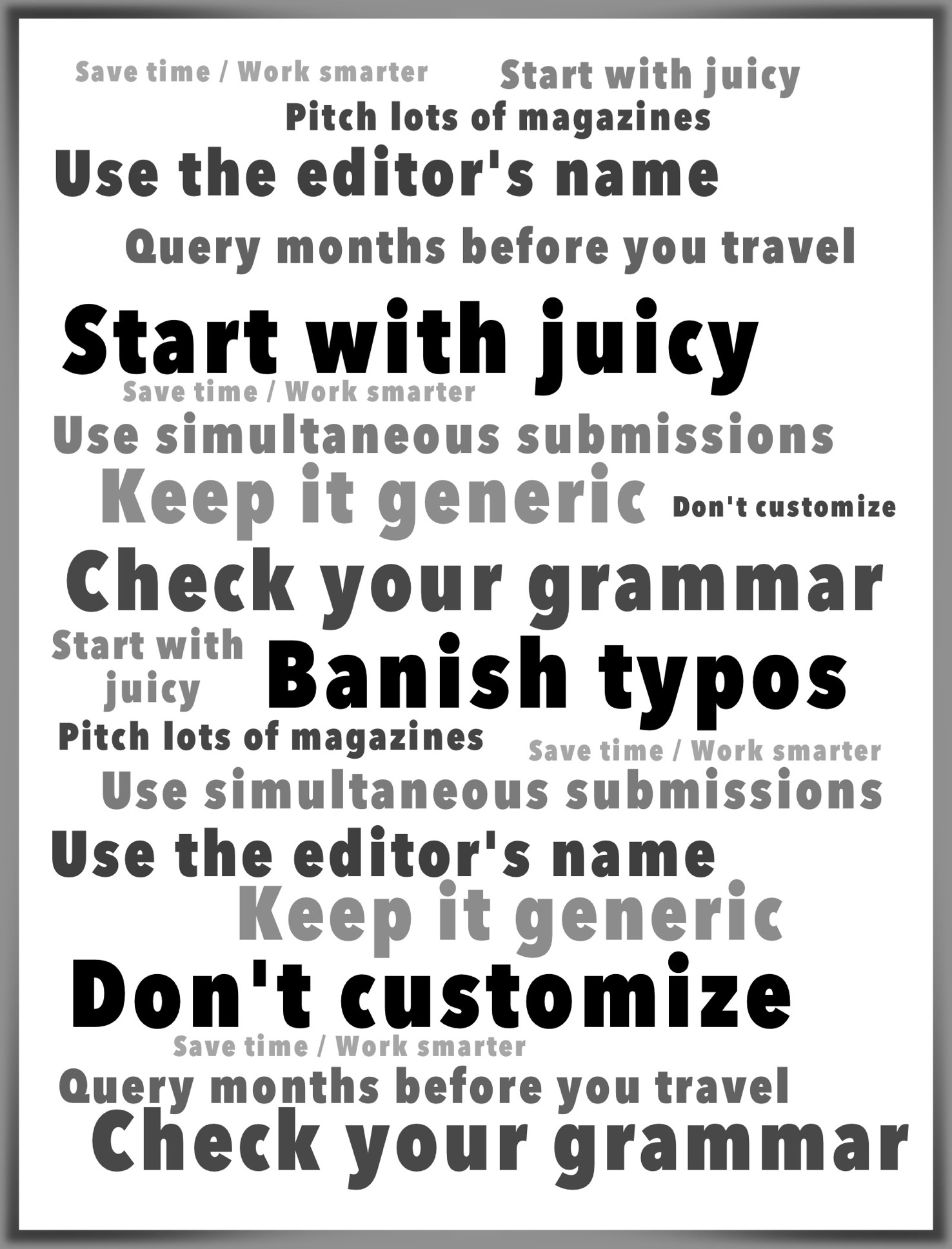
One of the most important aspects of a query, or the way you introduce a novel or other book to an agent, is the query letter.

Yesterday, I learned that my query letter sucked.

I sent it to The Query Shark, where an agent looked through it and critiqued it thoroughly. So I have an expert opinion that it sucked.

This is good news, actually, because it may be the reason that my queries are bearing no fruit. It’s not an easy fix, but an important one. The query is the introduction to the book, after which the agent will either request more pages or pass. The query letter is the first thing they will read in the query.

In a query letter, you have to accomplish several things: you have to introduce the agent to your book using a synopsis in a couple paragraphs. You must give specifics about the book such as genre and number of pages. You must provide a brief bio.

The problem with my query letter is that my synopsis wasn’t capturing the spirit of the books, nor were they involving the reader personally with the characters’ development. They were bare recitations of the plot, and they lacked the fantasy element. In a way, my query letter didn’t sell my book at all.

I am working on that blurb, and it’s completely different. I think I have the right idea this time. 

Fog


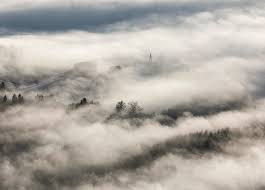
I wish I had seen the fog before it rose.

Fog smooths out all the edges of everyday life, softens the corners of the houses, tangles in the branches of trees, muffles the sounds of automobiles.

Fog obscures the view in front of us, defying even the illumination of headlights, and forces us to proceed cautiously.

Fog whispers secrets, like the witch in a fairy tale, and like the fairy tale, we can walk through the fog and never find the truth.

Fog reminds us that we can’t see everything. We can’t know everything.

Waking up my writing


I am trying to wake up my writing. My hectic schedule and the exhaustion that comes from wading through COVID-19 measures in the classroom, plus the lack of things that energize me (a movie, a writing retreat, something other than work or home) make the inspiration nearly absent.

“What do you want to write about?” No idea.

 I’ve even had trouble writing this blog. I missed yesterday; I’ve missed other days here and there. I started this blog with a desire to write daily, and I’m afraid that if I don’t keep that up, I will just quit.

 But I’m here today, and that’s what I need to do: keep showing up.

I’m doing some things to reclaim my imagination. Debbi Voisey (@DublinWriter on Twitter) hosts online workshops, and right now she’s hosting a prompt workshop, where for the first seven days we take notes on a total of 21 prompts, and then write. I’m hoping to get a short story out of this that I’m proud of.

If you have any ideas about how I can renew my imagination in the time of COVID-19 (and its restrictions on travel) please let me know!

Who I am and why I write

 I haven’t done this for a while, so…

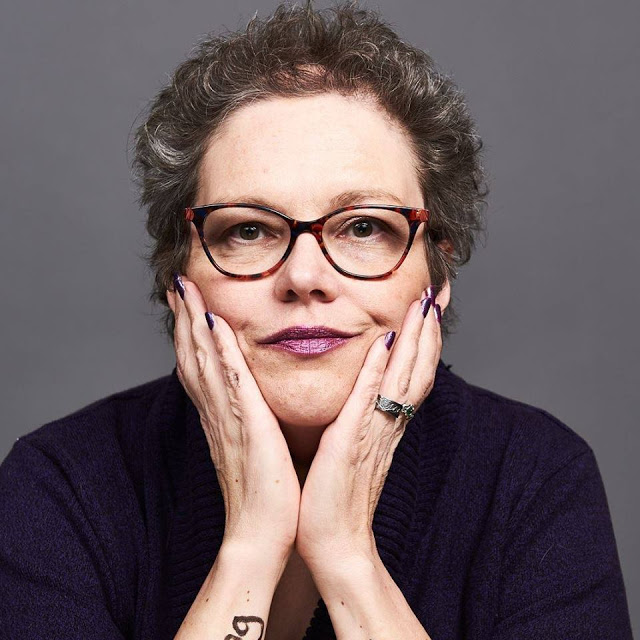
My name is Lauren Leach-Steffens, and I am 57 years old, about to turn 58 in a couple weeks. I don’t feel that old unless I try to sleep on the ground while camping, and then I feel every year of that and more. When I am not writing, I teach college at a small midwestern regional university. I’m an associate professor who has had tenure for the past 15 years.

I am a writer. I write contemporary fantasy, with the philosophy that the unusual is hidden in plain sight for those who know to look. My world, which looks much the same as this one, hides preternatural beings, people with hidden talents, and legends that shape the earth for lifetimes.

I first declared myself a writer at age seven, when my third grade teacher posted my Groundhog Day poem on the classroom door. I remember going home and telling my mother I wanted to be a poet when I grew up. She asked me if I wanted to eat, and I was the sort of person who liked cookies more than just about anything. So I said “Yes,” and my mother informed me that poets starved. It was then I set aside my dream of becoming a poet.

It wasn’t that I quit writing. I wrote poetry and stories all throughout school. In fifth grade, I got roped into writing a poem for a high school neighbor (even though it was cheating) — he got an A. My eighth grade English teacher collected two years’ worth of poetry and gave it back to me to keep when I left eighth grade.

I wrote poems and short stories (although I know now they were more character sketches) throughout my life, even as I was working on my PhD, but I didn’t make much of it. I didn’t revise for publication, I didn’t let people read them, I didn’t publish them.

And then, five years ago, I started writing a series of short stories and character sketches around a general plot line, and my husband said, “If you’re going to write all these stories about the same thing, you might as well write a novel.” 

I didn’t think I could. But as I started writing, I came up with a first draft. A problematic first draft that I am still revising. But then I wrote another and another.

My novels have not been published yet, but I have had short stories and poetry published and recognized — an essay in A3 Review, poems in Sad Girl and by Riza Press, short stories that have won honorable mention by Cook Publishing and New Millennium Writings and Sunspots, to name a few. 

I have dreams — getting one of those novels published, getting published in a more selective journal (even though I write fantasy), getting something to really brag about. But for now, I write, and I continue writing. 

Optimism

 I grew up in a household where optimism was terminated with extreme prejudice. “Don’t look forward to anything — you might get disappointed,” my mother would say, as her mother said before her and so on.

As a result, I am wary of my optimism. Whenever I submit a query to a publisher or agent, whenever I submit a poem or short story to a website or literary journal, my mind fantasizes about getting that acceptance, that stamp of approval that is going to change my life forever, and the nagging Mom-voice kicks in with the family legacy,


Most of the time, I don’t get accepted. With my short stories and poems, I think I have a 10% publishing rate, which isn’t bad. I haven’t gotten more than an honorable mention in a “high literary” outfit. Which isn’t bad, but maybe not life-changing.

As for the novel front, I haven’t gotten an agent or publisher yet despite a whole lot of improving and improving and editing and rewriting and querying and … yet every time I submit I daydream about how I’ll get picked up and my life will change.

And I will get disappointed again. Which is why I distrust my optimism. Which is the wrong thing to do.

There is nothing wrong with optimism. It helps me motivate for another try. It puts a bounce in my step. It enhances my day. Sure, I might get my hopes crushed (90% of the time I do) but the optimism is worth it.              

So I will stay optimistic despite my internal Mom-voice trying to ruin all my fun. It might pay off in the end.                                  

I don’t know what I’m doing.


I figured out why it is I really want to be traditionally published. Set all the fame and fortune* aside, the reason I really want to be traditionally published is the management prospect.

I’m really bad at the things traditional publication is good at — Marketing and advertising, book covers, etc. I want to be told what to do at this point in my career. I want to be told, “here are your choices for book cover. Here’s what we expect you to do to help market. Do some book tours here and here.”

If I self-publish, I have to figure out a “writing platform”, which is in effect a sales platform. Other than a Twitter account with 4500 followers and a Facebook page with 100 followers, I don’t know what that would be.

There’s so many things I don’t know about marketing a book.** I don’t know how to find the right cover art. I don’t know how to market. I can’t see myself selling over 100 books, and I know I would do better with traditional.

So I’m still undecided. I’m still hoping to get picked up traditionally, trying to improve my cover letters and my outlines and my pitches. I think my books have potential; I just need to find that way in.

*************

*Fortune? Not unless you’re Nora Roberts/JD Robb. Most of us won’t make a living of it.

**I know a little about designing a book cover. I know that followers are a big part of marketing. I have a blog and a website for selling for when I actually have a book out. But I don’t know how to do this well.

Class, COVID, and time


 I’m finding it hard to find time to write lately. Teaching in COVID-19 is hard work. My average class is taught live, recorded on ZOOM, and taped for further reference. This way, if a student is well, they attend. If a student is quarantined or isolated, they join a Zoom session. If they’re really sick, they watch the recorded version later.

It’s hard to manage. I’m still having technical difficulties three days later. I hope the students are forgiving, because I’m doing the best I can. One class I have enough distancing that I’m probably safe with a face shield; the other class is impossible to get distancing in, so we’re doing our best to listen.

One of the hardest adjustments for me is to trivial I don’t even want to mention it. But I will: I can’t stand not wearing lipstick. It rubs off on masks, no matter what type I try. When I take my mask off, I feel naked. I am convinced my lips are the best part of my face, and they’re — not there. 

Still trying to solve that trivial problem.


****

 We officially have 52 students out with COVID; not sure who’s just quarantined to help stop the spread. This is less than I expected the first week.

A Convalescing Chloe


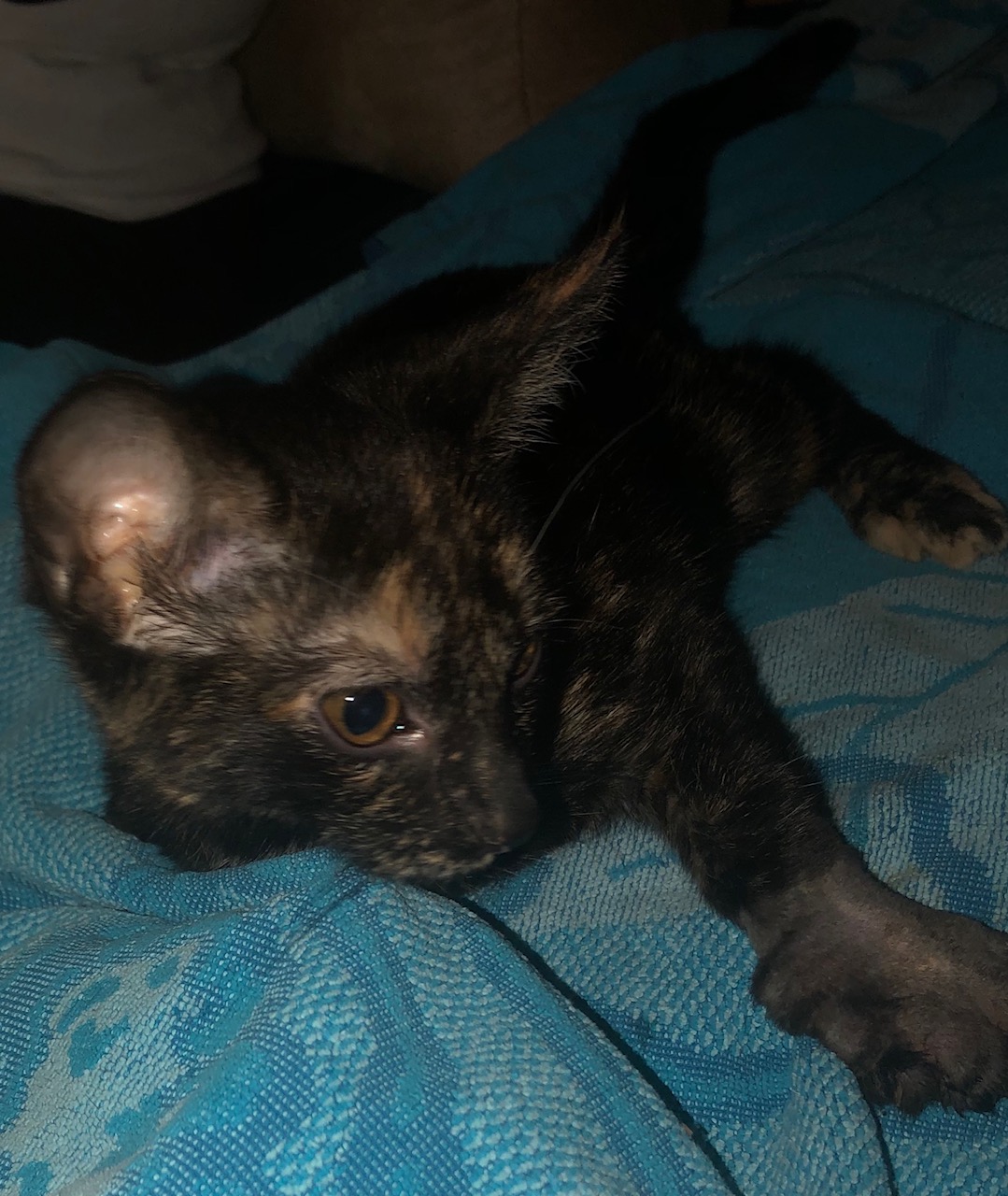
 Sorry I’m running late today, but I had to take Chloe to the vet for what ended up being an infected cat bite on her foot. Despite our efforts to keep the other cats quarantined from little Chloe, Me-Me keeps barging in, and occasionally they get in a scrap.

Chloe is sitting next to me today — no, she’s not sitting. She’s making an immense effort to stand, which isn’t happening because she’s wobbly from the sedation she’s gone through to get her abscess drained. 

So right now (blesssedly I have a work-at-home day) I am supervising the wobbly little monster. She isn’t feeling much like being petted; she’s laying on the bed next to me trying to escape … somewhere. I’m not sure she knows where, because I don’t think she can see straight yet. She sort of stands up, wobbles, and falls over. She’s scared of me but doesn’t mind curling up next to me. I feel so bad for her!

There are worse things than trying to get your work done next to a wobbly cat.