What are your best healthy eating habits?
View all responses
I have lost about 90 pounds. The number on the scale goes up and down a bit, but I am maintaining a weight that’s lower than it’s been for years (thirty or more). I do it using as balanced a diet as I can manage. I do not eat too much fat or carbs, nor do I live a high-protein diet. Everything in moderation.
I still count calories. I have proven to myself that I can’t eat in moderation without a crutch, even on a GLP-1. I will eat this way for the rest of my life or until I can eat smaller meals without a guideline.
I try to eat fewer processed foods. I don’t do this religiously, because almost everything is at least somewhat processed. (If you don’t believe me, eat a handful of raw flour.) Dessert is one of my weaknesses, but it’s a weakness I allow to persist. Nowadays, a Lindor chocolate or a couple of cookies are my idea of dessert, or else I split a dessert with my husband.
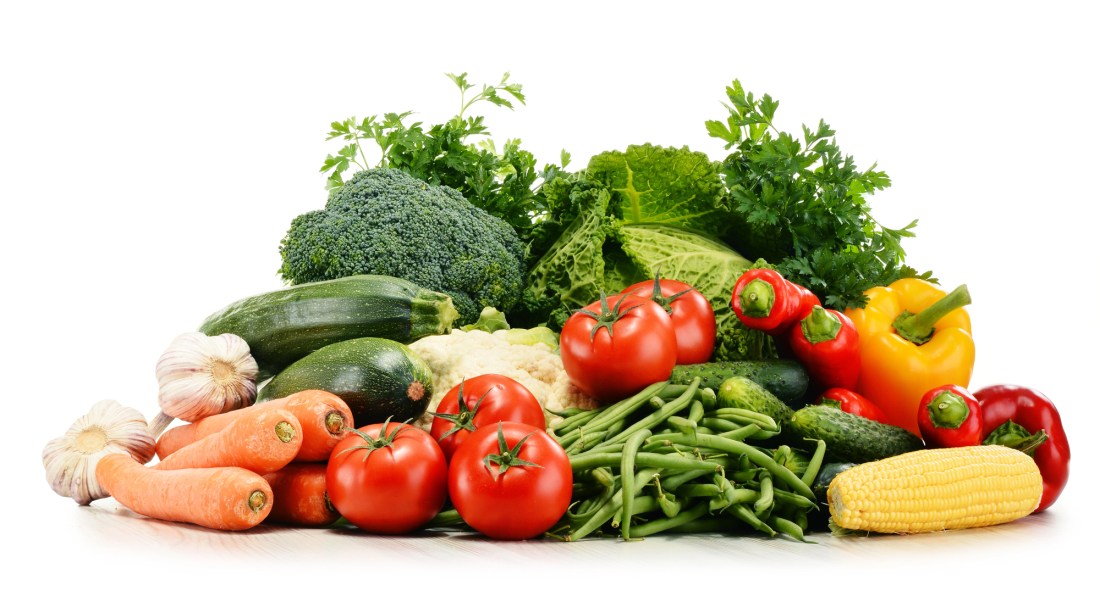
I try to eat more vegetables. This is my biggest struggle, but I try. I could eat even more of them, to be honest. Sometimes I drink vegetable juice, and that has been my go-to vegetable when I don’t have time to fix veggies. It’s better than nothing.
When I was in high school, I was what would now be called orthorexic. I ate a perfectly balanced 1000 calories a day to lose weight, and continued until I was a skeletal 110 pounds at 5’8″. I still tried to lose weight. When I say I’m eating healthy, I am trying to avoid that time in my life more than anything.
I eat healthier. I’m not a health food fanatic. I will have items like steak and fries in moderation sometimes. But I need to be careful to maintain a weight I can live with.