A Little Bit About a Little Kitten

After yesterday’s intense post, I’ve decided I need to write something fluffy. And purry. And zoomy.


So I’ll take a brief moment to talk about my new kitten, Chloe.

We got Chloe a week ago, as in impulse cat adoption after Stinkerbelle died. She’s a two-month-old kitten, at the time when their eyes aren’t quite the color they’ll be and they have little bellies still.
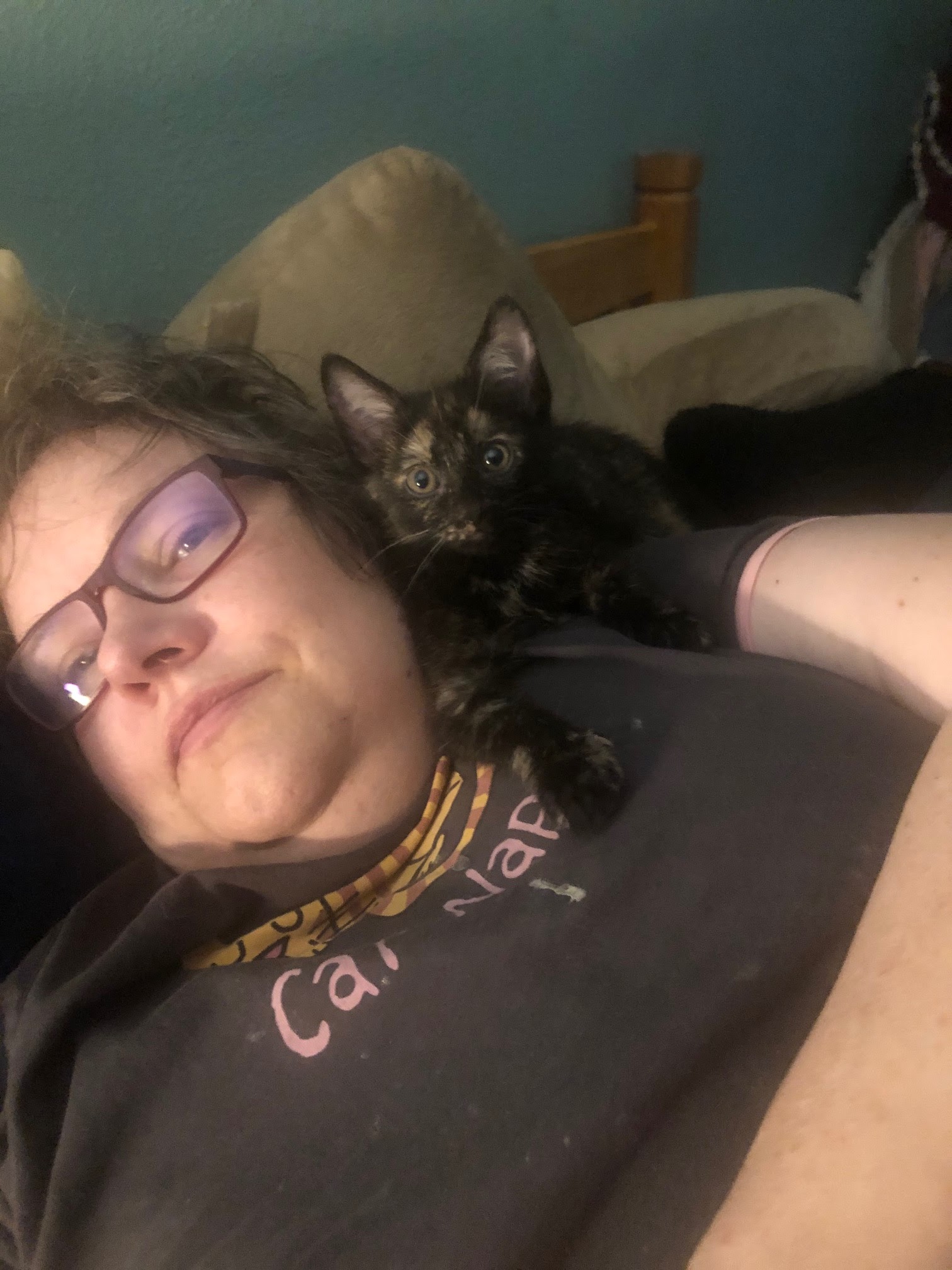


Chloe is a combination of sweetness and orneriness, like raspberry-jalapeno salsa (which I highly recommend). She will spend nights alternating between curling up against me and tearing up the bedroom she’s held in quarantine in. Sometimes she thinks my hand is something to gently pat with her little paws and sometimes she thinks it’s prey. 

I love this little kitten. Biologists suggest that we love cats because they remind us of babies. I would introduce them to Chloe because she’s more like a toddler right now, one who draws with crayons on the wall and then asks for a hug with big brown eyes. 

Chloe makes my dread about going back into the classroom a bit easier to take. There is life, and there is love. 
I just made my will today


I just made my will today.


The faculty and staff at my university got the email yesterday from Human Resources referring us to a resource available to university employees. It’s a holographic will done with software our human resources area has access to. It doesn’t even cost us anything, because our university has been so kind as to provide this service to us for free. 

I am furious. 

Not because I made a will, because I should have done that years ago. I knew better, but let it lapse anyhow because, you know, time passes and nobody likes to think about death. 

I am furious because this is the response of the university to the faculty and staff’s concerns about Coronavirus in the fall semester. We’ve already watched our cases double in the past week and a half in the county. Nobody has died — yet. What is going to happen when all five thousand-some students come back? 

We faculty wanted online classes. We got assistance with wills. 

To be fair, we’re trying some alternative classroom arrangements to allow for social distancing. I will have only eight students per class session; I will in effect be teaching only one class session a week six times (two sections x three cohorts of 8). But these students will be in residence halls, where social distancing cannot happen. They will be in the food court. They will get COVID and, hopefully, most of them will survive, except I guess those with comorbidities like diabetes and immune suppression.

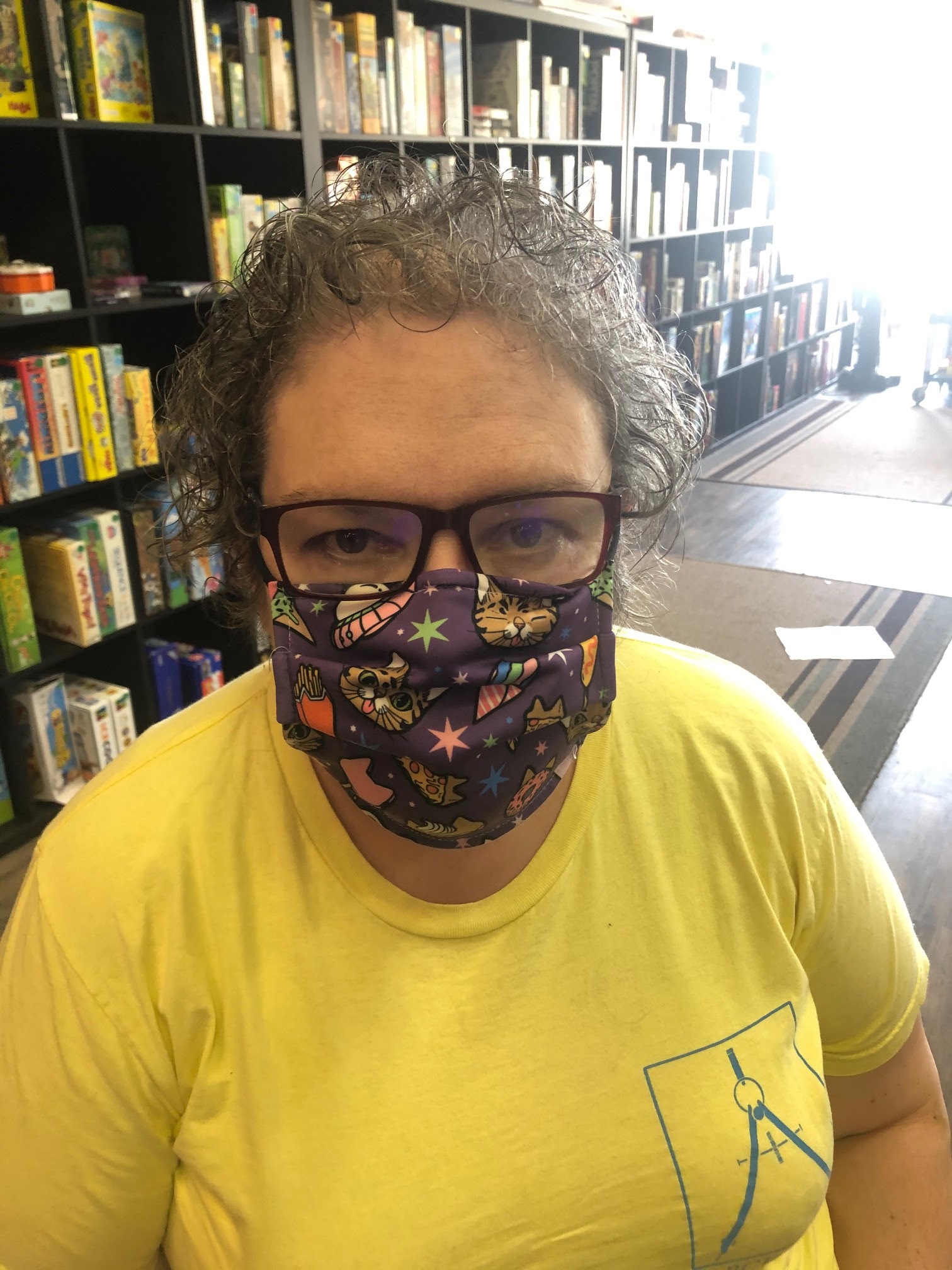
We will wear masks — hopefully. I’ve not been told what to do with students who will not wear masks, other than “put them in the corner”.  

The death rate from COVID in the US, according to Johns Hopkins, is 3.6%. Most of that is concentrated in minorities, older age groups and people with preexisting conditions that predispose us to complications. I am 56 and obese, and at risk. My husband is 51 with a condition that makes him high-risk. 

I am told to prepare to go fully online at any time. When will campus call this? If students return to campus, some of which are already infected from group activities, the dam will already be broken. I am bracing for ugliness. I am bracing for illness.

I am writing my will.

Too much of not much


It’s deep summer, the time when I don’t do much of anything.


Except put my classes together for fall, which includes voiceovers of all my lectures so we can spend our one day a week in-class doing hands-on things.

And try to get some plot confusion sorted out in Gaia’s Hands.

And rewrite my other query letters to implement what I learned from an agent.

And grade some internship stuff.

In other words, I’m doing a lot for not doing anything. 

Setting up for Fall semester


Today I have to start setting up for fall semester. I don’t normally do this till about the first of August, but I have to record some lectures because the students are only coming into the classroom one day a week (1/3 of the classroom each class day.)


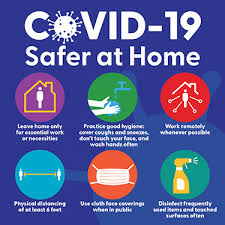
Instructions for the classroom look like this:

  • Be prepared for the class to go online at any time in case too many of your students (or you) are quarantined. 
  • All students and faculty will wear masks if students are less than six feet apart. *note: I’m making them wear masks even if they are six feet apart, because the rows are stacked on each other.
  • We will have seating charts for contract tracing
  • No handouts/papers because of potential contamination
  • Classrooms will be deep sanitized every night
  • Faculty/students will sanitize rooms between classes
  • No more than one student in the office at one time/appointments required/Zoom preferred
There’s probably more here, but this is what I got out of the email from my department head. I don’t like the idea of going back into the classroom, but I’ll prepare for all possibilities. We shall see.

The COVID-19th Nervous Breakdown


There’s a COVID-19 hot spot in a summer camp in Branson, and I know they’ve been practicing social distancing and masking because I have a contact down there. Still, 85 people (kids and counselors) have COVID-19.


I have to teach this fall face-to-face (or F2F as we call it in education). I teach human services courses at a university 5 hours north of Branson. Although I will meet with only 1/3 of my students on any given day (Monday/Wednesday/Friday) in order to practice social distancing, and we will (hopefully) all wear masks, I’m still a bit wary. 

I’m not sure there’s much I can do about it. If the university says we’re face-to-face, we’re face-to-face. It’s a little nerve-wracking, especially as our plans don’t take into account the residence halls, the hallways, the food court … 

I have just about resigned myself to getting COVID this fall. It’s better, I think, than fretting about it for the rest of the summer.

Nagging fears in COVID

Here’s me, writing during the time of COVID-19. 

I’m scared of the future. I’m scared about the students coming back this fall, bringing their contagion from far-flung places. I’m afraid of what happens when they’re all congregated in their living spaces, in close proximity to each other. I’m afraid of their parties, their incaution, and their bravado. I’m scared that my university, who needs the revenue of on-campus students in residence halls to survive, will fail if students don’t show up and will fail if they have to refund students’ residence hall money if they have to leave.

I can’t be fearful of everything or else I won’t survive. So I put the fear in a box and go through my day-to-day activities. Sometimes it reappears when I read the news. 

There’s nothing I can do but adapt. 

Need ideas for retreat and refresh!


I’m not sure how to arrange some sacred writing space. By this I mean the type of space where I can recenter and recharge and dedicate myself to writing just in time for July’s Camp NaNo. I’ve been sitting in my living room at my laptop since March 9 (not non-stop, although it feels like it) drinking coffee and typing. Even with lots of coffee and classical music, my writing just feels like more online classes and work rather than creativity.

I really could use a spa vacation. Or a writers’ retreat. But this is the age of COVID, and I suspect time in the Grotto at The Elms is not safe, and Mozingo Lake has no cabins for retreat.

Looking for suggestions for how I can get a retreat under COVID restrictions!

A Visit to My Psychiatrist


One thing I haven’t talked much about in this blog– I live with Bipolar II disorder. To put it in short and demystifying language: without treatment, I have mood swings. Depressions are deep with thoughts of suicide when I feel things are hopeless. Hypomania is starting a lot of projects, not finishing them, thinking I am especially blessed by God, then swinging into easy irritability. I often manifest with either ultra-rapid cycling or mixed-episode type — it’s hard to tell these two apart, but I can at times go from elated to depressed in a single week.


Diagnosis can be difficult. Especially in its milder version (Bipolar II doesn’t manifest in full-blown mania), mania can look like ADHD, anxiety, or even a particularly charismatic personality. So depression is diagnosed as ordinary depression, and because the mania side is not treated, stability is not achieved. 

Treatment for people with bipolar disorder generally receive a cocktail of medications to treat it. Some people can get away with just one med; I, like many others with bipolar, have to take four medications a day to tweak my chemistry in the right place. It takes a while to adjust the meds correctly, and a few people don’t get good control with medications.

Lifestyle changes are as important as well. Avoiding alcohol helps prevent depression. Regular sleep habits help greatly, and stress management methods like cognitive journaling help reduce stress that can throw off one’s chemistry. Many people need a therapist or social worker to work through the implications of a life-changing disorder. 

Because I’m in good control right now, I see my psychiatrist every two to three months. Generally, he asks me how things are going with the meds and my mood, and then he just chats with me. I sometimes think he gets better information from me by watching me talk than he does with the direct questions because he can observe mania or depression by my tone of voice, pace of speech, and hand gestures. But he also trusts my observations, because I have a good awareness of where I’m at, at least when I’m depressed.

I have to have certain medical tests because of one of the medications I take, lithium carbonate. Lithium can damage the liver and kidneys, so these have to be monitored. It can suppress thyroid, necessitating monitoring of the thyroid as well. In addition, lithium blood levels can grow to toxic levels as a result of dehydration, illness, or even taking ibuprofen or other NSAIDs. I have had mild lithium toxicity; it is not pretty. 

I live with the awareness that stressors can catapault me into an episode, and I need to keep an eye on that. I had a severe episode when I was first diagnosed because my department was being disbanded by the university. The COVID-19 stressors, especially when moving classes online, might have triggered some depression (I’m not sure, so it must be minor). 

So I’ll visit my psychiatrist today. I’ll go to the lab Monday and get my blood tests. And all will be well. 

My favorite coffeehouse is opening back up!

Pre-social distancing.


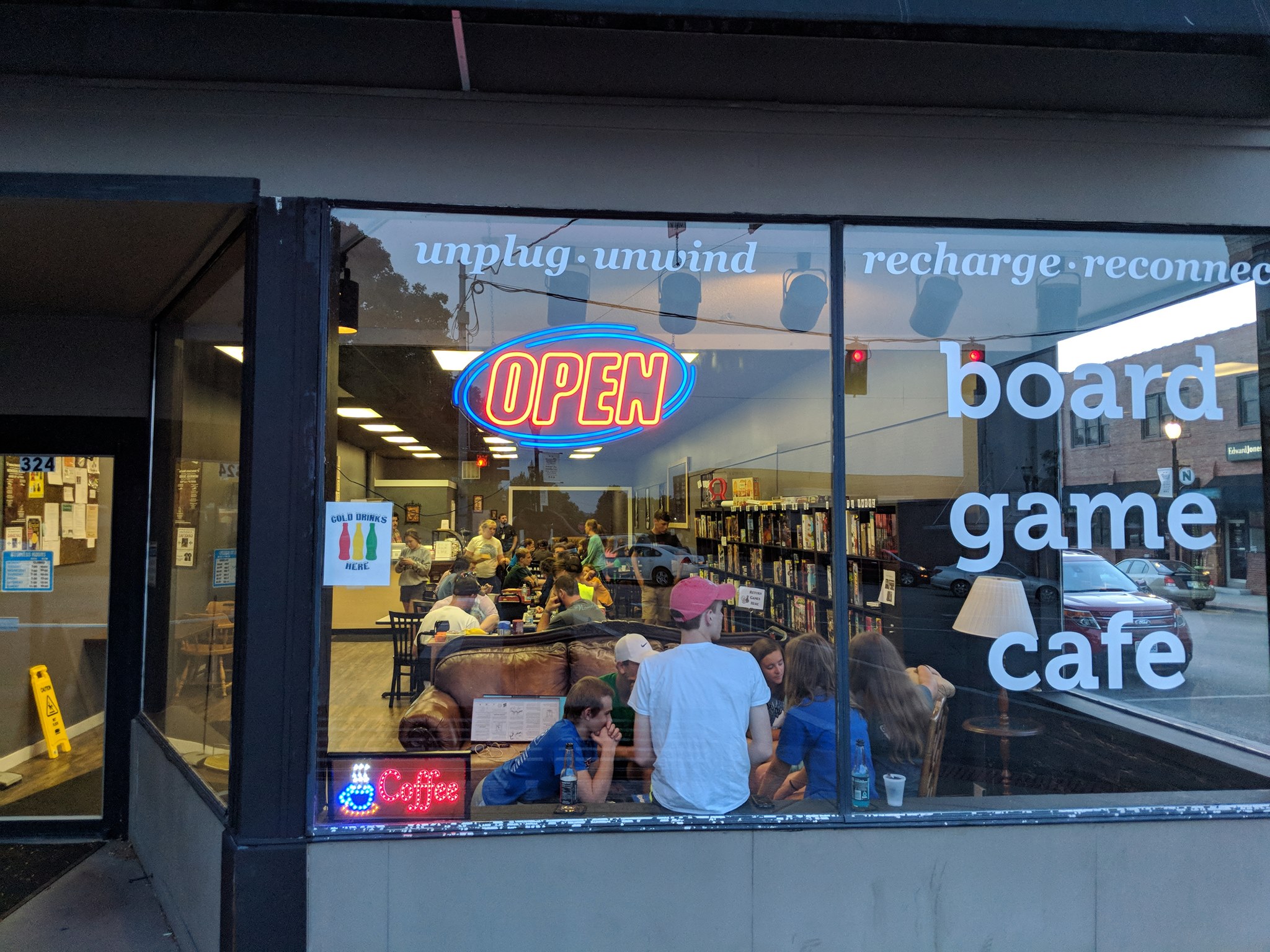
My favorite coffeehouse is opening next week! It’s the Board Game Cafe in Maryville, MO (I believe I’ve talked about it before), filled with board games, good coffee, and a congenial staff.


I’m trying to figure out how I can spend some time in there safely. I guess I could wear my mask and make sure I only take it off when drinking coffee. It’s easy to set 6 foot distance in there, and seldom does it get more than 10 people in it. 

I crave the coffee, I crave the company, and most of all I crave the interesting space for writing. Quirky music, people to watch, and occasional hilarious interactions. 

I know I’ll be at a little risk there, but very little with social distancing and my mask. The benefit far outweighs the risk.


Dreaming of the Pandemic


I think this social distancing thing is getting to me.


I dreamed last night that I was at my alma mater, University of Illinois, and I was teaching there. And I had forgotten my mask and was wandering across campus — out of Noyes Lab into the Union, looking for something to drink. Nobody was wearing masks or social distancing. People sat on the Quad together, having picnics and playing Frisbee. In the Union, I stood in line with a bunch of people, and the line grew so long they shut the door behind me. 

Back into the halls of the Union (and, alas, this was the new Union, the one that no longer had the beautiful hotel lobby in the front entrance), I run into a tall, bulky man with long red hair and a beard, dressed in Renaissance garb, and we give each other a big hug. I gave another man a hug — he was more my height, skinny and blond. 

As I walked out to the Quad, I knew I would have to explain to Richard that I had broken social distancing big time. I couldn’t help it, I told myself, because I had walked out of my house into this new bacchanalia, where we lived life in abandon, waiting for the contagion to take us. 

When I woke up, I had a little bit of a sore throat, and I felt guilty, thinking I had caught the virus, until I realized that my social freedom was just a dream.