I don’t write poems as much as I used to, mostly because I’ve gotten to an impasse with poetry. I know from experience submitting poems that my poems don’t quite have what it means to be great, and I don’t seem to be able to figure out what they are missing. I also think they’re too short compared to modern poetry. But here’s a depressing poem for today:
A glimpse out the window
at blasted apple blossoms
and snowfall blotting out
the first green of spring
and the doors barred
to keep contagion out —
the world could end
with an ellipse
at the end of a message
as
all
traffic
ceases.
Tag: COVID-19
April Snowstorm
We’re under a winter storm warning. We’re supposed to get 4-10 inches of snow today. In April.
The timing is all wrong. This should have happened on April 1st.
I don’t know what to do but laugh, because the alternative is to scream. Isolation is starting to be a bit difficult for me, and a dump of snow when it’s supposed to be Spring is just making matters worse.
I have no choice, though, but to shelter in place during the pandemic. I have no choice but to accept that our spring is going to be bifurcated by ten inches of wet, cold fluff. I don’t get a say in matters beyond my control, so I sit behind my computer and field work emails and work on improving my writing.
But what to do with the mood — with the tiredness, with the frustration, with the crabbiness? I’m not sure. Maybe I need to sleep more, but I get 8-9 hours of sleep a day. Maybe I need to sleep deeper. Maybe I need to get out — oh, wait, we’re on shelter-in-place and a major snowstorm is coming.
All I can do is keep my sense of humor up and stay productive. And drink coffee, definitely drink coffee.
A Time to Write
![]() |
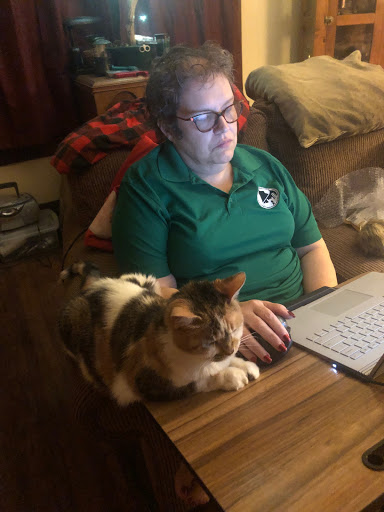
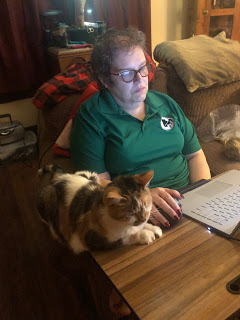
| Me during the Pandemic |
During the pandemic, I teach at home, and I have plenty of time when I have no emails to answer, to projects to grade, and no meetings to attend. And no distractions from the outside.
Day 44 Lenten Reflection: Gratitude
I can’t help but run this topic — gratitude — through a COVID-19 filter, seeing as the pandemic is fresh in my mind.
I am grateful for essential workers. My day proceeds to be relatively normal because of my ability to shop for food online. I would be protected in the hospital because health care workers are still working. The mail gets to me every day because postal workers are considered essential.
I’m grateful there are not very many cases of COVID-19 here in Nodaway County, Missouri. We seem to take social distancing seriously, we are sheltering in place, and wearing masks when on necessary errands.
I am grateful my job allows me to work from home. I am the main breadwinner in my family, and a loss of my income would be tragic for us.
I am grateful I am an introvert. Other than occasional restlessness, I am pretty comfortable with my new routine. It gives me time to edit my novels.
I am grateful for the collective of ladies locally who are supplying as many citizens as they can with colorful cloth masks.
And finally, I am grateful that neither my husband nor I have gotten the virus, because we are at the age where it could become risky.
Sometimes, life goes bad and the only thing we have to be grateful for is being alive. I could be there at any moment; life can change in an instant. I will marshal my gratitude if that happens.
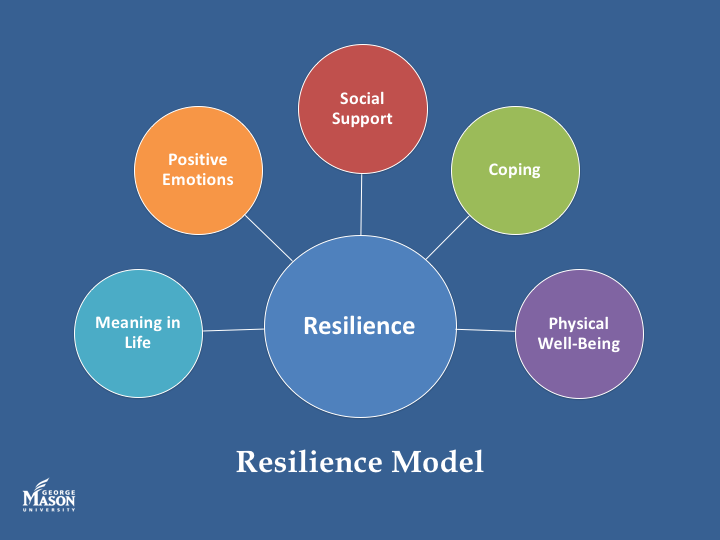
Day 42 Lenten Meditation: Resilience
The human race owes its survival to resilience.
Day 41 Lenten Meditation: Bloom
“Bloom where you are planted”. All fine and good, but currently I’m planted in my living room, wearing sweats, in day N (where N = I’ve lost count) of shelter in place during COVID-19.
Yet I’m still finding ways to bloom. I still write this blog daily. I work on writing in-between my classes. I experiment with sourdough starter. I name my sourdough starters. I wear lipstick with my sweats. I have long literary discussions with my cat Girlie-Girl, who remains unimpressed.
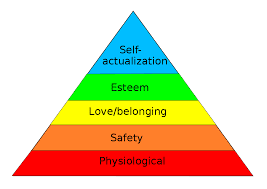
It’s easy for me to bloom, however. When I look at Maslow’s Hierarchy of Needs:
I’m relatively high on the pyramid. My most basic physiological needs are met (food, clothing, shelter); I am safe in my house; I have a loving relationship and feel I belong in my community; I derive esteem from being a professor and writer; and I have enough of these items to feel I can give back to the community (self-actualization). I have plenty of energy with which to bloom, in other words.
Expecting someone to “bloom” when they’re hungry is cruel, as is expecting someone who doesn’t feel safe to express themselves freely. Even I, when I’m in a state of depression or mania, don’t bloom. Sometimes we just manage, and that’s good enough.
We should strive to bloom. We should not make it an expectation, however, because so many people struggle in their lives. Do not judge them if they don’t bloom.
Day 40 Lenten Meditation: Cry
I don’t cry often. I don’t know whether it’s because I’m a basically strong person, or because my bipolar medications keep me calm. But I feel the tears lurk, looking at the world’s situation under COVID-19.
Highly contagious with about a 2% death rate. That seems small — 98% will survive it — until you look at the number of people in the world. As of this morning, there have been 9100 deaths in the US, half in New York City. And there’s no end in sight despite sheltering in place.
I’m feeling discouraged, and I normally have faith in our ability to surmount nearly everything. I feel tears come to my eyes as I read the news. I don’t read the news much, because of this feeling of despair, the reality of the numbers which still conceal the human cost.
I can’t quite cry. If I could, I think the sadness would pass for a while, because crying is healing. Crying is like a good thunderstorm, giving us release from the sadness. A good loud cry is what I need right now. I’m not there yet.
Day 36 Lenten Meditation: Acceptance
At the risk of sounding cliche, I don’t think I can start this better than using the Serenity Prayer:
Lord, help me to accept the things I cannot change,
the courage to change the things I can,
and the wisdom to know the difference.
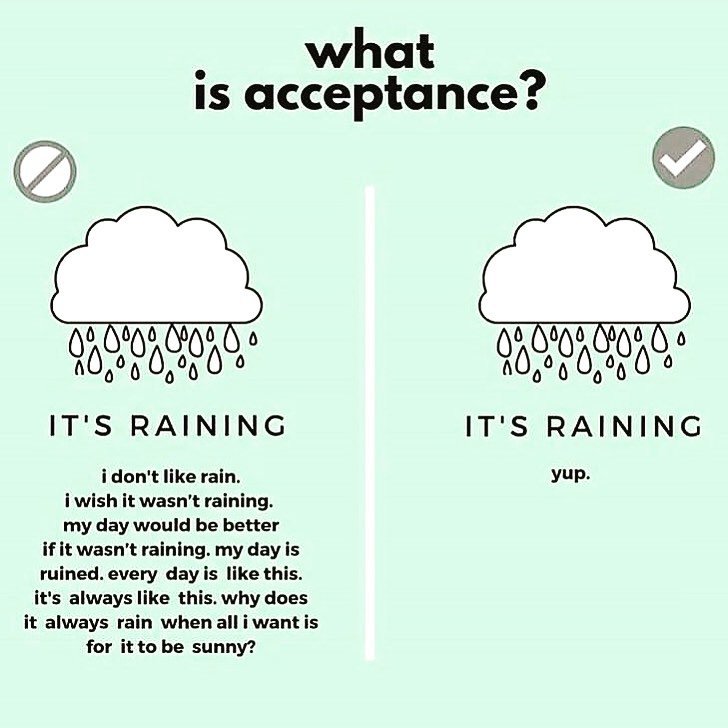
In the time of pandemic, we have a lot we cannot change. We cannot change the fact that the virus is out there or how virulent it is. We can’t change that we’ve been put under a shelter-in-place ordinance. We can’t change the shortages in the stores. All we can do is accept.
But we can change some things. We can plan our shopping to minimize our exposure to others. We can keep our hands clean and wear masks to keep from getting the contagion. We can take care of ourselves physically and mentally. We can spread love through social media.
How do we know the difference? After all, there are people out there breaking social distancing rules, some of whom now have COVID-19 and are regretting their actions. Their bravado didn’t change the contagion. Some people are raging at the situation, which is the opposite of acceptance. Knowing the difference requires self-examination and the question “How?” How can my actions change the situation? How can my influence create a new path? If there’s nothing you can do, then it’s time to accept.
Day 31 Lenten Meditation : Support
One of the most enduring traits of humanity is its ability to support each other during times of crisis. Just some of the supports I have seen during shelter-in-place are the following:
- Education units (pre-K through higher education) quickly mobilizing to online without a break, and with sensitivity to students’ needs
- Textbook publishers allowing free access to online textbooks over the duration of the sheltering
- Internet Archive offering free access to their library
- Local Facebook groups helping each other meet needs
- Outreach by the Instagram cat community reminding us to take care of ourselves (I suppose there are others, but I tune into the cat community)
- Countless others
- Harbor Freight’s donations of N95 masks and face shields to hospitals
- People on social media reaching out to the more vulnerable
- And so many I’m not aware of
Day 27 Lenten Meditation: Struggle
In this time of contagion, all of us are struggling.
We struggle through anxiety, isolation, sleepless nights. Essential personnel struggle with overwork and worry about their own health. We all suffer uncertainty about whether we can be infected.
We were created or evolved to be concerned about our tribe, to find comfort in each other. We were created or evolved to help each other in times of struggle. In our current case, it is hard to seek comfort in a time of social distancing. Hugs are prohibited, as are gatherings. We make do with the Internet. We comfort ourselves with the belief that this will not last forever.
In this, we are united with others worldwide — with China, with Italy, with all the world that has been touched by COVID-19. It is a sign of our shared humanity that we can worry, we can sorrow, we can all catch this disease. The world is our tribe, and although we may be powerless to help others through their struggle, we can at least think charitably toward others, even though they are not of our tribe. Because that is how we survive in struggle.