


I’ve probably talked about this before, but not in detail. The time during and around the diagnosis of my bipolar is probably what I would call “The Hard Years”.
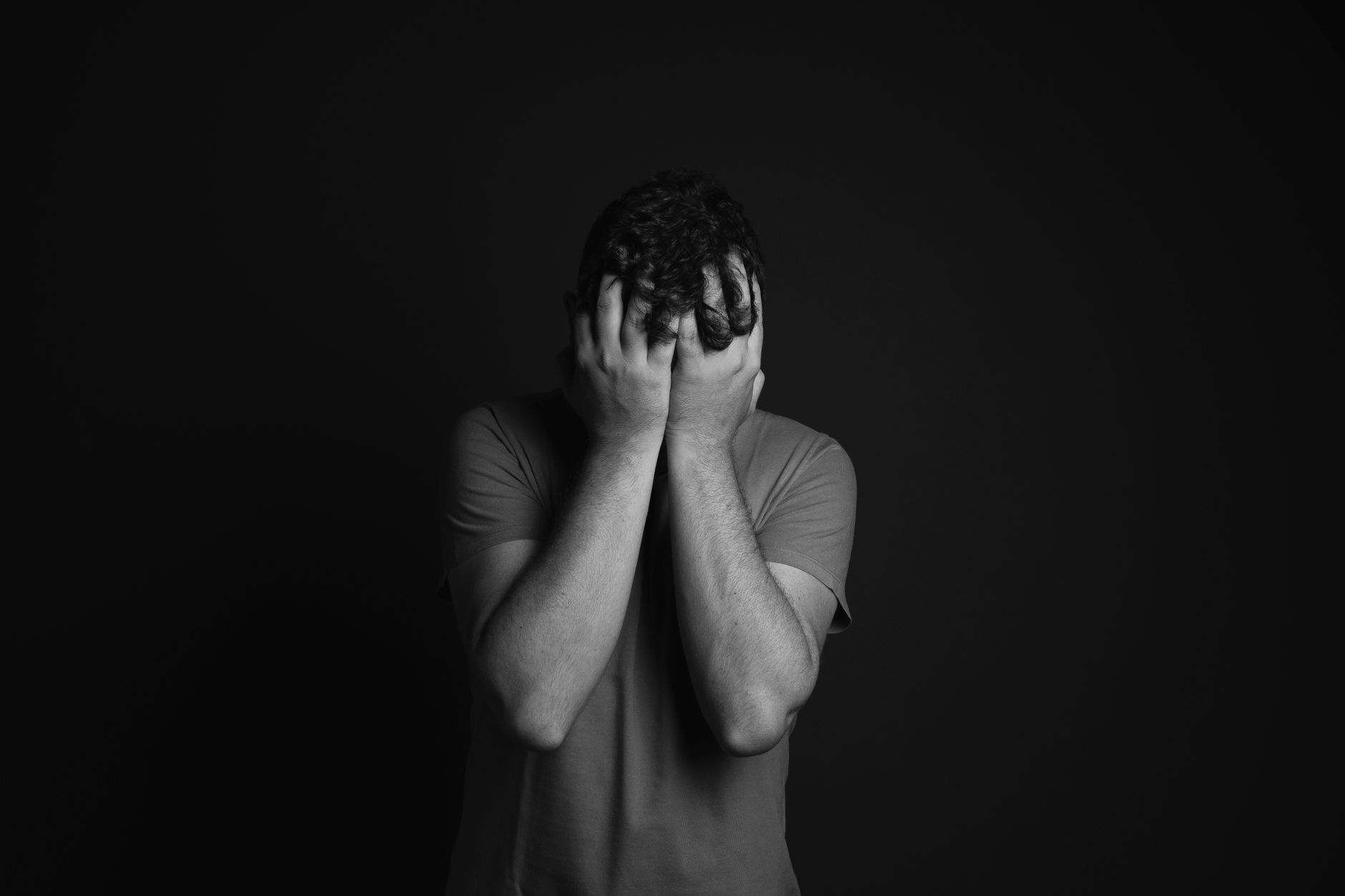
I think it was about 17 years ago — I am not good with time, especially during that time. It was not a typical spring semester — I had just learned that my department (Family and Consumer Sciences) was being disbanded, and my future position uncertain. I had tenure, but the university didn’t have to keep me. Most people in my department were losing their jobs. The whole situation was ugly because of how it was done outside of proper procedures for a reduction in force.
Meanwhile, I was not sleeping. At all. Days in a row of two hours’ sleep a night, going from project to project. I felt strung out and enervated. Yet I couldn’t stop myself.
My department chair told me I needed to see a psychiatrist for my sleep. I think she knew what was going on, even if I didn’t. I explained to the psychiatrist what was going on, and he informed me that I didn’t have a sleep disorder, but a mood disorder. He drew the sine wave of my moods onto a piece of paper, the highs and the lows, and described what I was facing.
He tried to stabilize me, and whatever he was doing didn’t work. I lived in the twilight zone of my lack of sleep and my fading mood. We tried sleep medicines on me, and I discovered that Ambien caused me to cook in my sleep, while the others (from tramadol to benzodiazepenes to Haldol) did not work. During this time my best friend died while I was on Spring Break, and it hardly registered to me. (I still don’t feel like I mourned her to this day.)
Eventually, I broke. I didn’t realize how sick I was until the evening when I got the twitches. I woke my husband from a nap and told him we needed to go to the emergency room because I wanted to kill myself. I didn’t feel typically suicidal — I didn’t really want to kill myself; I just wanted the jitters to stop. I just wanted the sleeplessness to stop. I remember lying on the table in the room they had sequestered me in, talking nonstop about my high blood pressure and the fact that I could not sit still.
The staff did a great job of handling me. They did not make me feel crazy at all. They didn’t talk down to me; they let me know that they were going to keep me for a couple of days to stabilize my medication. I felt surprisingly taken care of, even when I had to surrender my shoes for grippy socks (anyone who has been hospitalized for mental health issues knows what ‘grippy sock vacation’ means).
Inpatient care meant sitting through programming about how to deal with moods, art therapy, and discharge plans. The people I was in with had a variety of issues, although they all seemed pretty ordinary to me. The thing about inpatient treatment is that the patient no longer has much agency. You can’t bring your computer or phone. You can’t do work. You go to group even if you don’t want to. It feels like a shock to the system.
I spent a lot of time pacing the halls because of my jitters; I later figured out that I had akathisia from the meds. Akathisia feels like having restless legs in one’s whole body, and one has to move to try to get rid of it. It doesn’t go away except with time and the removal of the medication. Luckily that was only a day or two.
The emotional fallout of being in inpatient for psychiatry was a blow. I felt like I was no longer an ordinary person. I was mentally ill. The bipolar was no longer minor; it was a disorder. I struggle with this to this day, the feeling that I have been branded as other, even though I have not been to the hospital since. I have had a couple episodes since; a few mini-depressions, a minor hypomanic episode, but they have not put me back into the hospital.
I thought I was going to go back to work after my three days in the hospital. Human resources at the university disabused me of that notion; they made it clear that I would miss the rest of the semester and would not take on interns over the summer. That was another moment of reckoning that what I was facing was not minor. They were not kind about it.
In the middle of all this, my husband and I bought a new house. I did not help much with the packing or moving because the medications I was on were knocking me out. I was a zombie for much of the summer until we figured out that the Seroquel was not agreeing with me. My new psychiatrist put me on a new medication and that made me feel more normal.
That was my ‘hard year’. It has shaped who I am; has given me a sense of insecurity that has lasted to this day. I feel I could go back there at any time, if the stressors are bad enough. I feel as though I’ve never left, because the label ‘bipolar’ still applies. I question my past decisions, because I was unmedicated when I made them. I am still steps away from the ‘hard years’.

