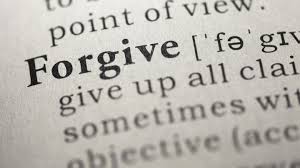
Day 37 Lenten Meditation: Forgiveness


I’m not going to accept the common wisdom of this concept, which says that you should readily and automatically forgive those who have wronged you. That advice is simplistic and does hot honor the situation of those who have been wronged.

Forgiving means to stop being angry for some harm or fault. For everyday mistakes and small infractions, forgiveness is merited because the need is to move on with life.

However, for victims of aggression, anger is a powerful emotion that can give power to the powerless. It can motivate toward justice for the wronged. Automatic forgiveness relinquishes power to the wrongdoer. Anger, and thus lack of forgiveness, becomes healing.

For the victim of great injustice, of abuse, of violence, they need only forgive when they feel their lives are held back by their anger, when they no longer see themselves as victims but as survivors. They should wait until the point where they feel they have personal power without the anger. Until then, they need anger’s power.

I’m not sure anyone has the right to tell someone else when to forgive. Forgiveness is very personal, and our entreaties to “forgive and forget” often come out of our fear of anger and our desire to smooth over conflict. 

Forgiveness is powerful, but only if the forgiver finds that forgiveness lightens, rather than diminishes, the soul.

Day 31 Reflection: Forgiveness

Don’t forgive unless you’re ready to.

This goes against the common spiritual wisdom that we should be ready to forgive our transgressors, that forgiveness sets us free. Maybe that’s true, and we should forgive the person who cut us off in traffic. 

But there are hurts so deep, so debilitating, that easily forgiving them feels like self-betrayal. Forgiving betrayal, murder, assault — all these feel too heinous to forgive. And yet people clamor to tell the sufferer that they should let go, forgive. Often these people who press others to forgive have something to gain — family members of the violator, the church of the violator, the violator themselves. 

Withholding forgiveness gives a sense of power, maintains the anger that may be needed to recover. Anger is not evil; it’s an emotion. Righteous anger helps us see our value, helps us recover. (Rage, however, consumes us and it’s best not to play with anger until it becomes rage). 

There comes a time, though, when the anger holds us in the past, when we’ve grown beyond the hurt, we have found ourselves again. Then it’s time to forgive.

really, really short

I haven’t been wise.
I’ve tried to converse with illusion,
To know the doppleganger of my desires.
I’ve made a character from travelogue pictures
And tried to divine his intent from silences.
I’ve come to mistrust him
For all the thoughts I haven’t put in his head.
I ask forgiveness
He didn’t ask for any of this.