
According to Abraham Maslow, psychologist, humans have a hierarchy of needs. The model (which everyone who has ever taken a psychology class will recognize) looks like this:
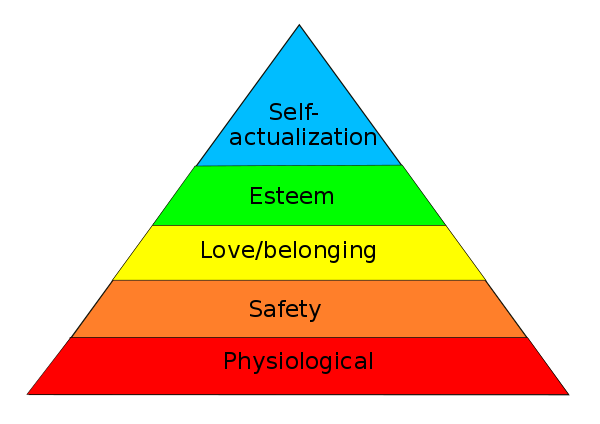
The hierarchy starts at the bottom, with physiological needs at the bedrock. Without food, clothing, and shelter, nothing in the upper levels matter.
Notice where safety is — right above physiological needs like food, clothing, and shelter. Safety is that fundamental, that we need it before we need love and esteem, and even when we having love and esteem, if that safety erodes at any time, we revert to needing that more than anything at any level above it.
To feel safe, we need spaces where harm cannot enter. We need a physical space secure from intrusion and hazard. We need a workspace free from threat and abuse. We need playspaces for children free from guns and bullying. We need a society free from scapegoating, discrimination, and hatred.
We can’t change the spaces out of our control, so we need ourselves or others to create protective spaces for us. We call these spaces our sanctuaries, our hideaways from the hazards of the outside, where we can be ourselves without danger.
Sanctuary cities have been in the news lately, with President Trump threatening to drop busloads of migrants off to these cities. The mayors of these cities do not see this as a threat, but an opportunity to provide sanctuary as a concrete action rather than as an ideal. These cities do sacred work in providing sanctuary to those who face an unsafe and insecure life.
Who is unsafe in our society? Name them, and then find a way to provide sanctuary. Eliminate white nationalism in your corner. Question the number of black males who get killed by the cops; question why whites get the benefit of the doubt. Stand up to bullies, including those in the administration of school districts. In Maslow’s hierarchy, people cannot thrive unless they’re safe. Help people to thrive.
 Words Like Me