
What does “having it all” mean to you? Is it attainable?
One of the things I have taught and researched is well-being. Studies in economic well-being explain that when people are asked whether they’re satisfied with their income, they respond that they would like (on average) ten percent more. I suspect that if the researcher would ask them in terms of material wealth, that 10% more would hold. So money and material goods — can we have it all? Apparently not.
And if it’s not money that becomes the confining resource, it’s time. As we only get 24 hours in a day, we find ourselves making decisions on where we put our time — work, relationships, hobbies and side hustles, family obligations, relaxation. We can buy substitutes for our time: restaurant meals, nannies, maids, time-saving appliances, but they only go so far.
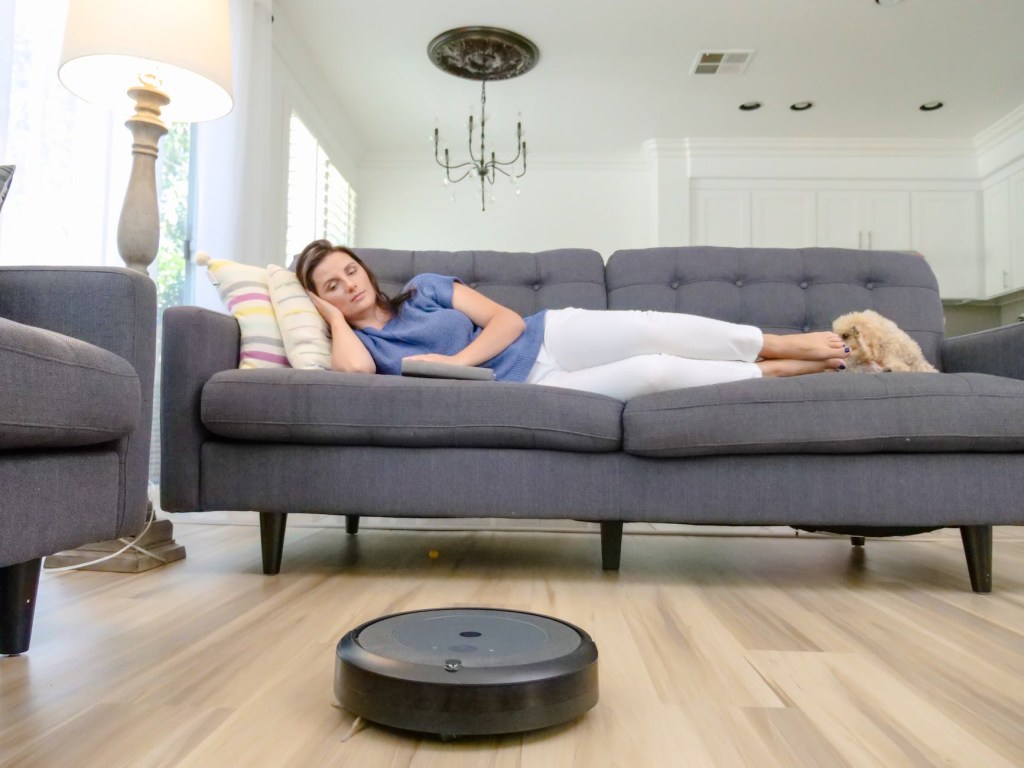
In other words, our expectations expand with our acquisitions. If we don’t have a car, we want one. If we get a car, we want a new or better car. A new set of dishes. A bigger house to put all the things we’ve bought into. A Roomba. A hot tub. An RV. Jewelry and paintings. A professional level kitchen …
We can’t have it all unless we define our own “all”, which will require us to go against what might be our innate human nature. Can we decide we’ve acquired enough? There’s lots of advantages to this. Less stress, more room in the house or apartment, fewer things in landfills, less need to have yard sales. Some would argue more time with people because we have to work less to buy things.
 Words Like Me