
I was joking about the concept of Chekhov’s gun the other day, with the example of a cat that showed up early in the action and then turns around to save the day. That, in a phrase, is Chekhov’s cat.
Looking up Chekhov’s cat, I discovered that someone had gotten to the joke before me, a writer on Tumblr named The Bibliomancer, on a blog by the same name (The Bibliomancer, 2023, Nov. 10). They define Chekhov’s cat as when a cat appears in the story, it will play an important role later.
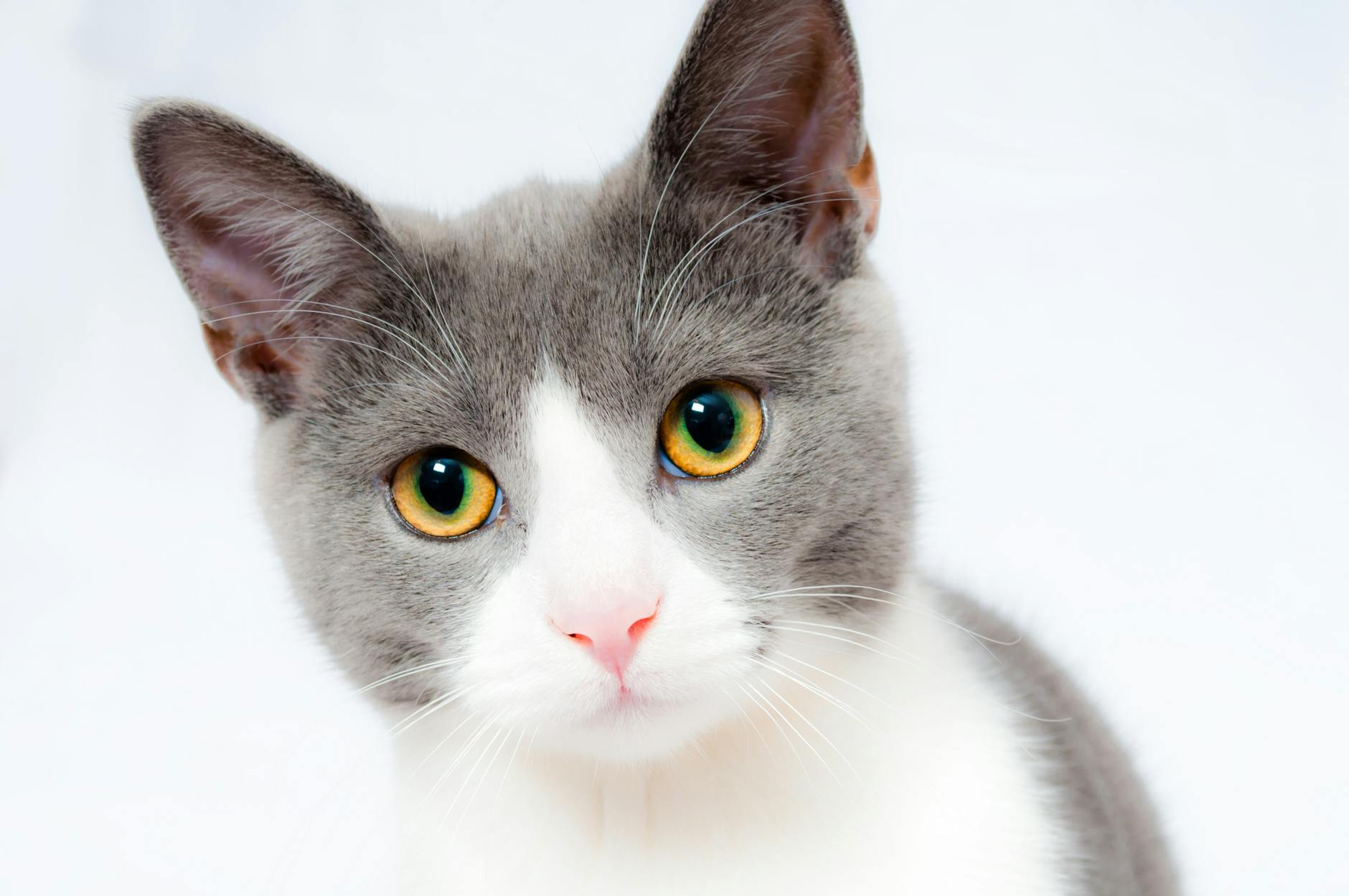
It’s important that we credit the original thought of others with citations, such as what I’ve done above. I use American Psychological Association citation style here in addition to a linkback to the original site. Blogs generally use the linkback, but I want to make sure the originator gets the full credit, so I use academic citation style. The full citation will be at the bottom of this page.
I have been the victim of plagiarism. Once, I gave a colleague an assignment of mine as a guideline for structuring her own homework in a class; she published it as her own without giving me any credit. I still seethe over it, twenty-eight years later, because she stole an idea from me by not crediting me.
I think we on the Internet need to credit the sources we use to make our content. That way, maybe people will cite us.
The Bibliomancer (2023, Nov. 10). Chekhov’s Cat. Available on Tumblr: https://thebibliomancer.tumblr.com/post/733615519135039489. [August 28, 2024].
 Words Like Me