Computers in the Olden Days

Daily writing prompt
Write about your first computer.
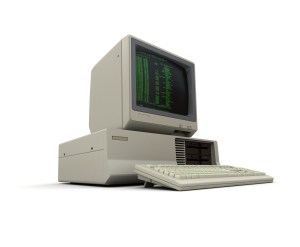
3D rendering of a vintage personal computer

I didn’t own a computer until I graduated with my Ph.D.. The University of Illinois had an abundance of computer labs, and I didn’t have money for a computer, being a student. I should talk about the computers I used then, of course. I was a student before Windows came out, and that meant I used DOS operating system with its glowing green cursor on a black background. Soon after, I took a class with Apple IIes, and decided I liked Apple computers better.
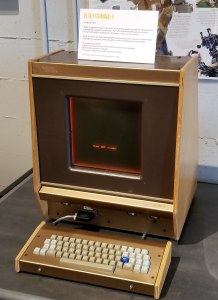
I was also active on the PLATO system. PLATO was an educational system at several universities and other sites; its hub was at University of Illinois. In addition to educational lessons, PLATO offered several features that are part of today’s Internet: messaging, email, discussion forums, and group chats. PLATO became a social network for the people who had access to it, including things like online dating and group meets. It was a haven for a geek girl like me.

The first computer I had access to at home was a classic Mac. It was not mine; I borrowed it when I was laid up at home with a broken leg. Those machines were cute, almost portable.
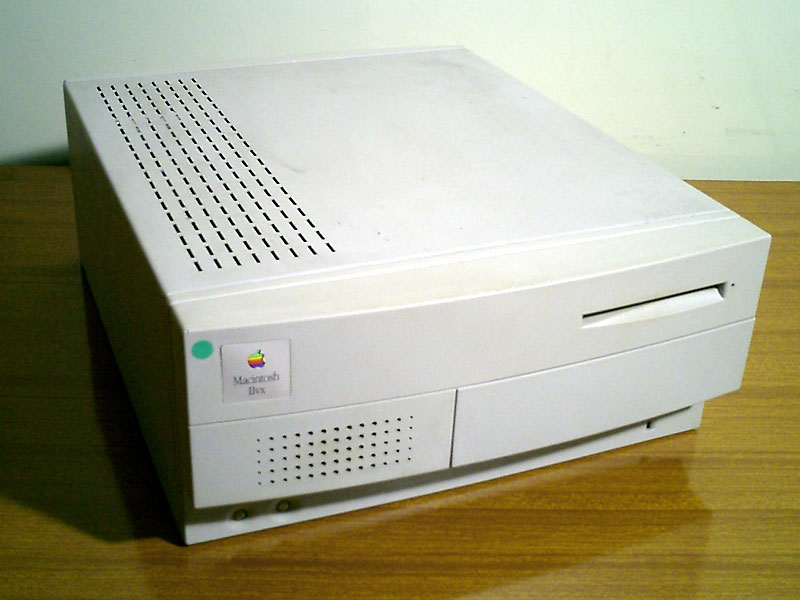
The first computer I bought myself was an Apple IIvx, a desktop computer that cost me $2300. That is in 1993 dollars; the computer would cost $4,992.97 today. It was an exorbitant price, however PC machines had not started running Windows yet and I preferred the WYSIWYG operating system. Not long after I bought this computer, Apple came out with a cheaper and faster computer called Quadra. I was one of the people angry that we had paid so much for an inferior computer, but I had my computer for several years.

Computers today are so much faster, so much more powerful, so much more graphically inclined, that talking about a 1993 computer seems quaint. My computer today (A Samsung Galaxy Ultra 4) is so far beyond what I had back then.

My First Computer

Daily writing prompt
Name the most expensive personal item you’ve ever purchased (not your home or car).

This question is altogether too easy for anyone who has bought a laptop or a smartphone in their lives. Other than a house or a car, these are likely to be the most major expenses, at least in the US.

I was relatively late to computer ownership, having gotten my first computer as I was finishing graduate school. As a grad student in the late 80s — early 90s, it was not assumed we would have our own computers. There were computer labs all over campus, and I availed myself of those when typing up my dissertation. Knowing that computer labs would not be part of my future as a professional, I bought my first computer, a Macintosh IIvx. In 1993 the computer cost me $2500, which is almost $5k in today’s dollars. I bought it with part of the proceeds from getting hit by a car, otherwise graduate student me would not have been able to afford it.

CC BY-SA 3.0, https://commons.wikimedia.org/w/index.php?curid=31318

Technology has gotten more powerful and less expensive. I could buy a Mac Mini today for $500, and this little puck of a computer is much more powerful than the IIvx I bought in 1993. The only reason I haven’t bought it is because the form factor isn’t convenient, and I already have a powerful laptop that cost me $1300.

Even today, my computers are the most expensive purchases I make outside of a car or house, even though they have gone down in price. But their utility makes them worth the price.

A Very Difficult Life

Daily writing prompt
Your life without a computer: what does it look like?

I remember life without computers, because I grew up in the Sixties and Seventies, and the first DOS computers came out just before I went to college. DOS computers didn’t have the Internet or beautiful, intuitive interfaces, and composing a letter on one meant staring at a black screen with green letters. I used a typewriter to type my masters’ thesis because attractive typefaces were a blip in the future and things typed on a computer looked like they had been typed on a computer. And I was one of the more computer literate people I knew.

I would not want to go back there. I didn’t write a novel because it would have taken tens of hours to search for information on desert flora and fauna. I knew American deserts weren’t made of sand, and that’s about it. Years later, after the Internet, I wrote the novel with information I found on the Internet in mere minutes. I use the computer to communicate, to entertain, to research, to compose. My life without it would be difficult and tedious.

On the other hand, expectations of quality and speed were less back then. The one typeface of a computer was acceptable, and the time limitations of snail-mail were tolerable. A writer could get away with fewer books written further apart. My expectations, though, are shaped by the era of fast, aesthetically pleasing, versatile computers that expand the limits of what we produce.

Life without my computer would be tedious and bland. I don’t want to go back there.