Keeping my Health and Well-being

Daily writing prompt
What strategies do you use to maintain your health and well-being?

As I have bipolar disorder, I have to work carefully to maintain my emotional balance. I don’t want to become either hypomanic (a state of elation, grandiosity, irritability, and overwork) or depressed. This means I employ a variety of strategies to not only keep in balance, but provide a sense of well-being.

One strategy I rely on is a regular, adequate sleep cycle. I go to bed at the same time every night and wake up at the same time every morning. I do not take afternoon naps, and if I find myself sleeping more than 9 hours a night, I check in with my doctor. Lately, I’ve had daytime sleepiness, and I’m going to have a sleep study done to make sure there are no problems there.

Another strategy is to manage my emotions by cognitive journaling. In cognitive journaling, one confronts cognitive distortions, which are illogical ways we use to explain our emotions. For example, when we’re nervous about a test, saying “I know I’m going to fail the test” (a cognitive distortion known as fortune-telling). Or when we attribute a bad date to “nobody’s ever going to love me” (black-and-white thinking). Cognitive journaling helps us recognize that the response is illogical and helps replace that thought with a more logical one.

I want my balance to be a happy one, so I have a couple strategies that have been scientifically tested to work in increasing one’s well-being. I meditate (although lately, I have been falling asleep during meditation; see my sleep issues above). Meditation is an active brain state that has been shown to increase well-being.

I participate in flow activities (more on flow here). My favorite flow activity is writing. I can lose hours in writing, which is a sign of flow.

I practice gratitude, which in my case means spontaneous thanks to the universe for the things that have helped me in life. A great place to begin with that is with a journaling practice called “Three Good Things”. Here, you write three good things that happened during the day and explain why they happened in your life. This gives you not only gratitude, but a sense of efficacy — “I did something that helped put this into place.”

MSN today brought me an article on self-care activities (some of which are listed above) that will help provide a sense of balance. I could put a couple more of these in my routine; there’s always room for more tools in my toolbox.

I would highly recommend a routine of activities meant to balance one’s life. Work expectations often push us off-balance; family demands and news headlines pull us off our balance. Balance comes from within.

Go-to Comfort Food

Daily writing prompt
What’s your go-to comfort food?

My go-to comfort food is somewhat unusual for a Midwestern US resident, I’ll admit. Typical comfort foods for my region of the US are things like chicken alfredo, cheeseburgers, and tomato soup with a grilled cheese.

My go-to comfort food is Thai namya, a light curried sauce over thin rice noodles with lots of cilantro. It’s spicy and mellow, warm and soothing, and easy to make, especially if one buys a premade curry paste.

I learned the recipe from my boss at the Thai/Italian cafeteria where I worked as an undergrad/grad student. I was the second cook, which was a rarity as I am very Caucasian. We would eat a family-style lunch most Friday afternoons that we prepared for ourselves. One of the dishes was namya, which we made with leftover flaked fish or ground turkey. This quickly became my favorite food, featuring both curry and comfort.

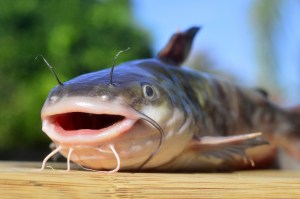
I had a lot of rough times back then, given that I had untreated bipolar disorder. I needed a lot of comfort. I lived a block from an Asian food store, so all I had to do is keep some sort of fish stocked and I could get the rest of the ingredients at a moment’s notice. I often used tuna, which was a little heavy for the recipe but was easy enough to stock. (An ideal fish would be a white fish like catfish.)

Even now, sometimes I have to have namya, especially on a cold day. I usually make it with ground turkey or catfish as I have been taught. Once I made it with a half-dozen bluegill I caught at the lake, and once (when I was feeling rich) crawfish tails. Just some coconut milk and water, green chili paste, fish sauce, and cilantro and that fish becomes my comfort food.

Cats, Of Course

Daily writing prompt
Dogs or cats?

I am a cat lover. Don’t get me wrong, I like dogs too. I will pet every dog I get a chance to pet, and yell “Look at the goggie” to my husband across a parking lot. But, as one of my cats (Chloe) is sitting in my lap while I type, it’s obvious that I prefer cats to dogs.

Cats have peculiar personalities. One might even say they’re little weirdos in fur suits. Me-Me tries to ingratiate herself to people in the bathroom. Chloe tries to lick faces. Pumpkin hisses at all the other cats, and Chucky is just breathtakingly brainless (he’s an orange cat; orange cat owners will know what I mean.)

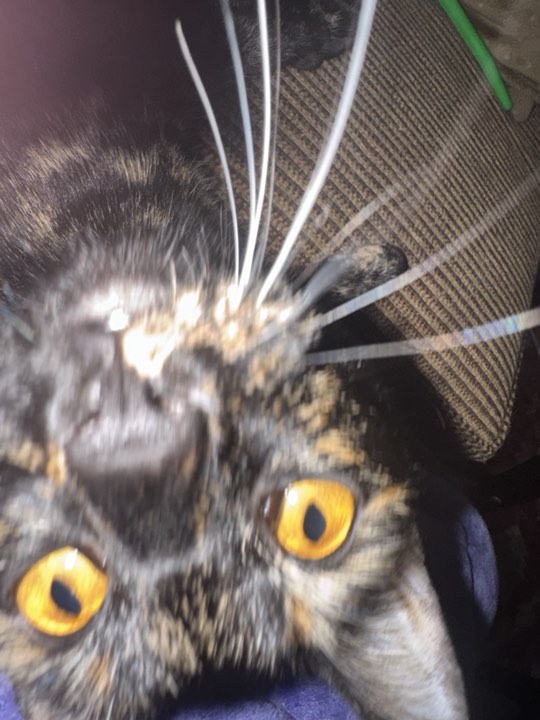
Cats do not have a fanatical devotion to their owners. I do not deserve fanatical devotion, nor do I want it. It’s only smart for a cat to look upon me with a bit of skepticism. It shows discernment. [ppppppppppppppppppppppppp;;;;;;;;;;;;;;;;;;;;;;;;;;;;;;;;;;;;;;;;;;;;;;;;;;;;;;;;;;;;;;;;;;;;;;;;;;;;;;;;;;;;;;;;;;;;;;;;;;;;;;;;;;;;;;;;;;;;;;;;;;;;;;;;;;;;;;;;;;;;;;;;;;;;;;;;;;;;;;;;;;;;;;;;;;;;;;;;;;;;;;;;;;;;;;;;;;;;;;;;;;;;;;;;;;;;;;;;;;;;;;;;;;;;;;;;;;;;;;;;;;;;;;;;;;;;;;;;;;;;;;;;;;;;;;;;;;;;;;;;;;;;;;;;;;;;;;;;;;;;;;;;;;;;;;;;;;;;;;;;;;;;;;;;;;;;;;;;;;;;;;;;;;;;;;;;;;;;;;;;;;;;;;;;;;;;;;;;;;;;;;;;;;;;;;;;;;;;;;;;;;;;;;;;;;;;;;;;;;;;;;;;;;;;;;;;;;;;;;;;;;;;;;;;;;;;;;;;;;;;;;;;;;;;;;;;;;;;;;;;;;;;;;;;;;;;;;;;;;;;;;;;;;;;;;;;;;;;;;;;;;;;;;;;;;;;;;;;;;;;;;;;;;;;;;;;;;;;;;;;;;;;;;;;;;;;;;;;;;;;;;;;;;;;;;;;;;;;;;;;;;;;;;;;;;;;;;;;;;;;;;;;;;;;;;;;;;;;;;;;;;;;;;;;;;;;;;;;;;;;;;;;;;;;;;;;;;;;;;;;;;;;;;; (This is Chloe’s response to reading the above paragraph. Note the lack of fanatical devotion.)

My personality is mercurial, quirky, and at times a bit inscrutable. I’m a lot like a cat that way, so I think I will always get along best with cats.

Flow Activities

Which activities make you lose track of time?

Those of you who follow me have heard me talk about “flow” before. I’m a flow evangelist, ready to talk about this amazing force in our lives which brings us closer to meaningful happiness.

Why do I mention “flow” with this particular prompt? Because one of the characteristics of flow is losing track of time when engaged in activities that bring flow. If we’re talking about losing track of time, we’re talking about flow activities.

“Flow” is a concept brought to us by the happiness psychologist Mihaly Csikzentmihalyi. It is built into the PERMA model of happiness under “A” for “accomplishment” and “M” for meaning.

What are other characteristics of flow activities? They should engage us with challenge without being too challenging. They should totally absorb us, almost like a meditation. They should provide a sense of accomplishment, even in a small way.

My flow activities are writing and moulage (casualty simulation makeup). I may have others, but these are the two I have discovered. Things that are not challenging enough for flow: Doing dishes. Things that are too challenging for flow: Dancing. Definitely dancing. But one person’s flow is another person’s aggravation.

What are your flow activities?

About Hypocrisy

What bothers you and why?

If I have to pick one thing that bothers me, it’s hypocrisy.

Calling out someone else for failings when one is just as guilty pains me. Often it’s done to detract attention from one’s own faults, and that irks me the most. Other times hypocrisy results from blindness to one’s own faults.

I am a hypocrite. I can’t stand hypocrisy but I’m certain I’m guilty of it. I try to stomp it out, because I can’t stand it in myself. The only way out of hypocrisy I can see is to be unflinchingly honest about one’s faults, to be able to say “I, too, am guilty”. I probably fail at that, too.

I wonder if we are all doomed to occasional hypocrisy, being human, and being less than self-aware as a defense mechanism.

Excited? I‘m pretty mellow about the future

What are you most excited about for the future?

I don’t get excited these days. I’m sixty and I’m on good medication for my bipolar, so elation is a thing of my past. Thank goodness, because elation is exhausting, and it usually precedes a big depression.

That doesn’t mean I don’t look forward to things. I have a mini-trip to Kansas City to visit interns this week, and I look forward to both KC barbecue and getting internship visits over with.

I will be doing a major disaster preparedness exercise in August at Disaster Disneyland (official name: New York State Preparedness Training Center) that I have to prep for. I am the moulage coordinator for the exercise, which means I turn volunteers into victims.

The beginning of the school year is coming up sooner than I’d like. I am looking forward to all the beginning of school activities and teaching some new classes.

I’m looking forward to publishing Kringle Through the Snow on October 1. And, if I don’t chicken out, publishing Reclaiming the Balance on Jan. 1. I need a writing retreat, and am about to drop the hint to my husband (when he reads this). That’s something else to look forward to.

So, nothing exciting, but I have a full calendar to look forward to.

My Odd Definition of Romantic

What’s your definition of romantic?

I have an odd definition of romantic that does not involve bouquets of roses, ornate proposals, or diamond rings. What is romantic, to me, needs to be rooted to what’s meaningful to the couple in question.

For example, if your partner likes sunflowers, giving sunflowers will be much more romantic than giving roses. A public proposal is anti-romantic, serving only to satisfy the proposer’s ego, but a private proposal where you two first met has promise. Saving a ribbon, or a playbill or other memento, is a romantic gesture saying “I will remember you.”

Context, the context of the couple, is vitally relevant. Romance is a shorthand for a set of breathless feelings that the two will hopefully remember years later with the reminder of a moment. Generic content creates bland shared language.

I had horrible taste in boys as a child.

Daily writing prompt
Write about your first crush.

My first crush was when I was five years old. His name was Randy; he lived out back of us in a grey tar-shingled house by the tracks. He was in my kindergarten class; I think I got a crush on him because of his collar-length hair and his smudgy face. I was a tomboy at this stage in my life despite my clumsiness; he suited just fine.

My mother dealt with this with stoic despair for the entire month of the crush. I don’t like to think of my family as classist, but I think there was an element of classism there. Mom went to visit his mom at one point; I got the impression from her afterward that This Was Not Going to Happen Again. I myself didn’t see the problem with Randy. Our house wasn’t nice either, although it was a lot bigger.

Photo by Vinicius Vieira on Pexels.com

My mother needn’t have worried. My crush dwindled because Randy had figured out I was a girl and quit talking to me. For my part, I quit getting crushes on boys until fifth grade, from which point I made myself quite miserable with them until I was well, well past adolescence. And then one morning, I quit having crushes. I think I’m happy about that now.

Passionate at 60

What are you passionate about?

When I was younger, I was passionate about a lot of things, so many that I was an exhausting person to be around. So said my mother, anyhow. I have mellowed as I’ve gotten older, and I suspect some of that is the medication I’m taking to keep my moods in check.

I don’t miss being passionate about everything. It’s nice that not everything has the same weight; it’s nice waking up in the morning and not being at 110% for every little thing.

But I’m still passionate about things. Writing, for example. I’m passionate about the process of writing and the results (most of the time; I’m not passionate about the current WIP.)

I’m passionate about getting things done. I like end results and getting there. This mostly applies to work-related projects. I wish I could get passionate about housework. (Does anyone get passionate about housework?)

I’m passionate about diversity. Not just that diversity is fun to be around, but that it’s necessary for a healthy world.

I’m passionate about well-being. Not necessarily happiness in that hedonic sense, but contentment with purpose. Balance and mindfulness.

I like where my life has settled. I don’t need to be passionate about everything, just the things I’m passionate about. 🙂

My Favorite Childhood Book

Do you remember your favorite book from childhood?

I will preface this entry with the caveat: My childhood was a long time ago. A long, long time ago. I will be talking about a book that probably nobody has heard about.

My favorite book from childhood was The Ghost of Opalina by Peggy Bacon. It was about a ghost cat who told stories about the previous residents of an old house. It was, in a word, absorbing. And to a child who read cereal labels, Readers’ Digest, and anything else I could get my eyes on, it was the revelation of a new world.

Textbooks for English class in my childhood were generally excerpts of stories, and it was my great frustration that they didn’t go anywhere. I remember (I think fifth grade) reading an excerpt of The Hobbit where Bilbo chats with Gollum in the murky cave. It has a beginning, middle and end, but it still felt unfinished. Bilbo has the ring. It’s a cool magic ring. what did he do with it?

The Ghost of Opalina is the first book I read that I can remember being a real book, with a beginning, middle, and end. Admittedly, it was somewhat episodic, with stories within the story, but it wrapped up to a satisfying end. And with a ghost!

From that point on, I was addicted to fantasy. My next formative reading experience was The Dark is Rising sequence by Susan Cooper, which was many years later. Before that, I read many books, and also cereal packages, Readers’ Digest condensed books, and anything I could get my hands on.

I read The Ghost of Opalina again recently, and I could see exactly why it enchanted me. It had aged well, and I could see why kids and librarians loved it. I once named a cat Opalina, and she could not have been more unlike the capricious, elegant wisp of a ghost cat. I was ten when I named her; my memory of the book has lasted many years beyond my kitty’s lifespan. Here’s to ghost cats and the power of memory.