Effervescent

I want to feel effervescent, like Max Richter’s recomposition of Vivaldi’s Four Seasons: Spring. Effervescent means bubbly, but not in the sense of a bubble bath with its larger, comforting bubbles. Effervescence is fine, tiny bubbles, fizzy bubbles, sharp on the tongue when drinking sparkling water. Where bigger bubbles sing like whales (if they could), effervescence tinkles like fairy bells and giggles.
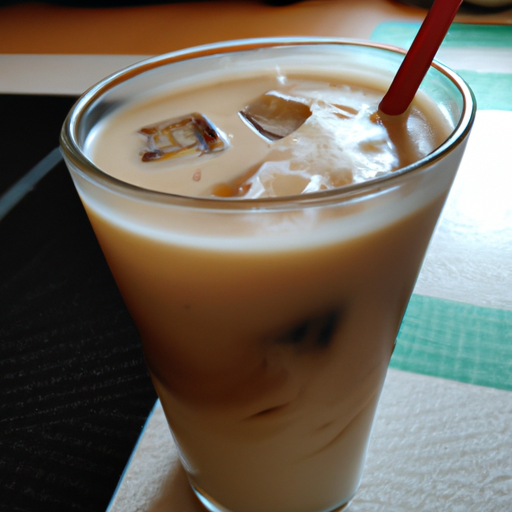
a cold coffee
a cold coffee

Today is not an effervescent day. It has been gloomy all day, with a tendency toward light rain. I am not effervescent today, not even bubbly. I’m cold coffee looking for ice so I can chill. If Vivaldi composed this day, it would be the Fifth Season: Blah. The opposite of effervescent.

I don’t know how to make myself feel effervescent, or maybe I do. The right company can make me feel effervescent. A crush can definitely make me feel effervescent. Enough hilarity would make me feel effervescent. (As a nerd, I have some go-tos for this: Galaxy Quest, Middleman, Shinesman, Young Frankenstein). Hypomania makes me effervescent right until I’m clutching my hair and yelling “Make it stop!”, so I don’t want to go there. I definitely prefer the other methods.

Right now, in the middle of a rainy work day, I’m going to have to settle with not being effervescent. That cold coffee isn’t bad with a little cream and ice.
The Dreary Months

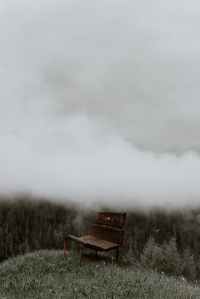
We’re officially past Christmas and New Year’s, and I’m officially done with the first draft of my next October release, and the skies are relentlessly gray. For someone with bipolar (II) disorder who uses the holiday season to hide from the darkening days, I am officially in the dreary months, or those months where I’m at risk for depression.

I’m tired all the time right now, and I’m weepy. I feel bogged down by a pretty normal workload. The answer to the question “What am I looking forward to?” is “A nap”, but there seems to be no time for that. I might nap on Wednesday. I have meetings all afternoon this week. On Friday I have an appointment in large letters: “NATHAN”. I do not remember who Nathan is or why I’m meeting with him. Since it’s in all caps, it must be important.

Photo by eberhard grossgasteiger on Pexels.com

What I need to do is get some strategies in place to help boost my mood:

  • A sun lamp. I don’t know if these really work, but they give me a sense of control
  • Naps when I can, even if this means while sitting under the sun lamp drinking coffee.
  • Things to celebrate. (I need help making this list)
  • Cat therapy
  • Possibly a phone call to the doctor

More coffee and booze are not on this list, as these will make my mood worse.

I’ll keep you posted.

Lady of Storms

There’s a pink sky this morning painting the maple leaves across the street apricot. No sailors in landlocked Missouri to take warning and no storms in the forecast, bringing the lie to the old saw about red skies at morning.

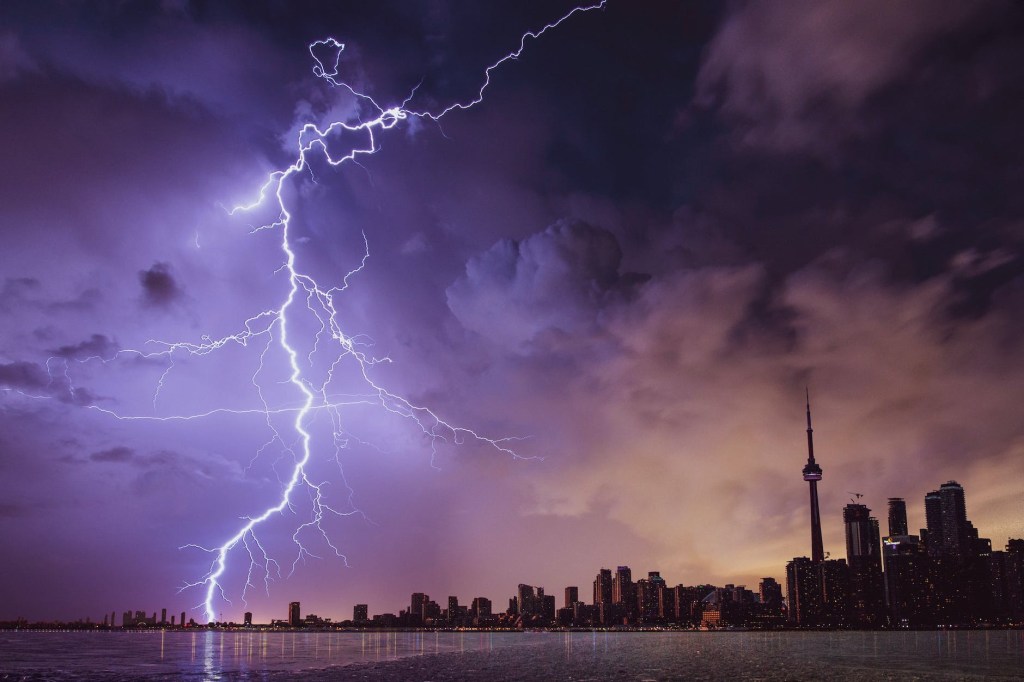
I crave more rain. It’s a part of my being that I have forgotten for too long. Once, I may have walked through lightning unscathed; I do not know if I believe my perception anymore. I am an unreliable narrator unless I speak from science.

Before I spoke from science, I spoke from storms, feeling the sodden leaves dragging at my feet and a cold rain lashing my ears.I need, I, the storm shouted. I need more.

I have grown past that part of my life; I do not need so much and I know how to get what I need. I speak in measured sentences that psychology tells me are the right ways to communicate. But I miss the ferocity of the storms and the power I felt when I hid in them.

Food and your Story

Seasoned writers often recommend that, if you want to enrich the scene you’re writing, you include food, What can food do for a story?

Sometimes food drives the plot — the poisoned glass of elderberry wine in “Arsenic and Old Lace”, for example, or the cookbook in the Twilight Zone episode “To Serve Man”.

Sometimes the food drives the theme — for example, the lavish descriptions of food in “The Hunger Games”, or the lavish presentations of chocolate in the movie “Chocolat”.

Sometimes the food develops the characters — the residents of the ecocollective “Barn Swallows’ Dance” in my Gaia series eat mostly vegetarian diets they’ve grown and raised themselves.

Sometimes the food sets the mood — if a character picks at his food, we know him to be upset or distracted; if he gobbles the food, he’s rushed or famished.

Sometimes the food simply engages the senses in its descriptions. A character eats freshly fried, breaded cheddar cheese curds — are you hungry yet?

So let’s play with this: You have a character, female, college age. She hasn’t been able to eat for several hours, because she has been involved in a clandestine operation to stop the bad guys who wish to hijack a large political event. The action she and her group have taken has been marginally successful, and the group chooses a restaurant to eat at.  She feels ambivalent about what she has done, because she has had to exercise the secret power she dislikes having. What will she eat, and how will she eat it? Will she gobble the food? Savor it? Eat it mechanically, not really tasting it?

How will this differ from her co-conspirator, a college-age Japanese man who practices vegetarianism and feels compelled to use his secret power to fix the world?