Food and Reality

Weight is not a fun subject

In this blog, I will talk about dieting (and the “non-dieting” that passes for dieting now), weight and health. I am approaching this as an obese person who is now being asked to change my way of eating and exercising in order to get healthier. I struggle with lifestyle changes, often because the instructions seem vague to the obese person.

I will not use the word “fat”, which has been used to shame people with a specific health issue, unless mentioning fat-shaming. (If you don’t believe this, ask yourself this: Do I shame athletes with fractures and pulled muscles by calling them “gimps”? You know, they did it to themselves.)

Me.

What it means to diet

I have been dieting all my life, or at least half of my life. Anyone with weight issues has. It’s an alarming lifestyle, spending half of one’s life eating bowls of green leaves, and the other half trying to make up for the feeling of deprivation by eating ribs at Applebee’s. My true nemesis, though, is really sweet things like good chocolates, toffee, and gooey butter cake.

Other people eat sumptuous things much of the time. Those of you who are less than twenty pounds overweight for your height and age, you’re unaware of how lucky you are. You don’t have to work as hard to be your weight, whether this be that you can eat anything, or that your body moves the way your heredity designed a good body to.

After a doctor’s visit

A few weeks ago, I went to see my doctor, and it turned out that my “numbers” were not good. Not only the weight, but the glucose and other numbers that weight may affect. This was something I’d never experienced as an obese person before, and I found it alarming. As a result, my doctor easily convinced me to eat a plant-forward diet with low fat and moderate carbs.

The advice from my doctor was simple: half your plate should be vegetables. The vegetables should be colorful. Eat lean meats. Cut back on bread. Don’t weigh yourself. Exercise more.

Easy-peasy, I thought.

So now I’m eating a plant-forward diet

The plant-forward diet takes a lot of work. It takes a bit more cooking and less “here’s two hamburgers for dinner.” It takes a bit more variety — sugary foods had been my substitution for boring dinners. Sometimes it takes eating frozen vegetables for convenience, and I’m not always hungry for those at the moment (I’ve had some terrible frozen vegetables). It takes menu planning, and as I’m not the menu planner in the family, it takes a certain amount of patience.

I have questions

Now, after a couple of weeks living this way, I have questions. Lots of questions.

  • If you have a small (of course) bowl of spaghetti, do you count the tomato sauce as a vegetable? How much of the plate does it take up?
  • Are potatoes a vegetable? Corn? Lentils? Edamame? A veggie burger?
  • How whole-grain does the bread have to be? (I’m living on Wasa crackers)
  • Can I have desserts? Ever?
  • How do I know how much I’m progressing if I can’t weigh myself?
  • If I haven’t been exercising at all, does walking to the parking lot count as more exercise?
  • How do I motivate myself if I lose weight really slowly?
  • How perfect do I have to be at this? How often can I not be perfect??

These are questions I’ve never seen answered. I know well that this dietary and behavioral change will have to persist for the rest of my life. I wish someone who coaches lifestyle changes could answer these questions for me.

I will never be of normal weight

The thing to remember here is that I am not doing this to be of normal weight — my body will never be of normal weight. My lifestyle change will take me from obese to overweight. I will be healthier, but I will still be “fat” by judgmental societal standards, and I will have to accept that. If I could afford a tummy tuck, that might put me in the weight range for my size. But the insurance industry considers that cosmetic surgery and not a matter of health. So I have to accept that I can only be smaller, not actually small.

A note

We all have different lives and different choices. I won’t say “wherever you are on the journey”, because that sounds incredibly condescending, like my journey is best. I don’t know if my journey is best, because I lose that identity of “fat culture”, and that’s a great togetherness space. And I want gooey butter cake. My goal is to help my health, and maybe this “lifestyle change” does nothing for that.
Rebeginning a Project

What a fine time to get inspired

There’s nothing like feeling inspired just as the semester is about to get busy. Tomorrow is the first day of the semester, where I have two classes to teach and office hours and all the little things to take care of, and I want to play with the next book. I hope this goes away, at least for a week, so I feel like I’m beginning work instead of devoting myself to my sideline.

What’s the book about?

The name of the book is Maker’s Seeds, and it concerns the Archetypes that show up in Apocalypse and Whose Hearts are Mountains. The Archetypes are, for intents and purposes, humanoid immortals, and they exist to hold humans’ cultural memories. If the Archetype dies through violence to their hearts or heads, their people will die because of the death of cultural memory.

The above books (none of which I have published) focus more on the human (or half-human) point of view. Maker’s Seeds looks at the Archetype point of view, concerning their Maker’s decision to slowly remove the responsibilities of holding humans’ cultural memories from the Archetypes. The result is a race of powerful immortals choosing sides in a schism, fighting in battle to the death — before the Maker has divested most of their cultural memories, thus endangering much of humanity.

The two central figures of the story are Luke Dunstan, an Archetype and Leah Inhofer, a seventeen-year-old human. The opposing viewpoints between the two — old vs young, Archetype vs human — make for drama as they try to prevent the Battle between Archetypes and the potential annihilation of millions of humans.

That being said …

I’m not ready to write it yet. I’m not willing to let loose my creative mind before the semester starts. Maybe I will this weekend, although I have lost my coffeehouse home because of closure (RIP Board Game Cafe). I hope to reconnect with writing soon.

Photo by Luca Nardone on Pexels.com

Last Days of Leisure

I’m relieved they’re almost over

I don’t do well with nothing to do. Yes, over these last few weeks of break (about three weeks of break) I’ve spent a lot of time just recovering from the semester, but I don’t do relaxation well. I think I’ve said this before; I get frustrated with sitting down and not accomplishing anything. With 1.5 days till the beginning of classes, I’ve had enough of relaxation.

You’d think I could have spent that time doing the projects I don’t have time for during the Spring and Fall Semester. (And, to be fair, I did some of those projects, particularly editing Gaia’s Hands, which went live on Amazon on January 1.) I could have done class prep (I did this, weeks ahead of time.) But I didn’t start a new novel or anything like that because, I admit, I needed the rest.

So over break, I got little work done, and I feel guilty for not taking time to do the work. So if someone asks me what I did over break, I’ll answer, “I didn’t do a lot of anything.” And I will feel guilty because I could have practically finished a novel by then. Or edited more work on ProWritingAid. Or something madly ambitious.

Photo by MART PRODUCTION on Pexels.com

Perhaps I needed to do nothing

Perhaps I needed to do nothing so I could charge myself for the semester, which I think promises to be stressful: students tired of COVID restrictions in the face of even more illnesses under Omicron, the dreariness of winter and the lack of sunlight, all the minor irritations accumulating by midterms. I, as the professor, need to be the sane one (and as you might recall, I have bipolar disorder, so sanity has some challenges.) So, if it’s possible to soak up relaxation, I have been doing so. And I shouldn’t be ashamed of it.

But it’s time to get back into the work world. I can feel it.

The Thing I Hate About Writing Books

Writing is the simple part

Writing the book is the simple part. You come up with an idea when half-asleep or when distracted by something else, surreptitiously write the first draft while others do more normal activities, suffer from writer’s block, get an alpha reader who tells you what’s wrong, go through the developmental edit only to dissolve into despair, get some beta readers who tell you what’s wrong, despair over the book some more, edit until your mind is thoroughly sick of writing, and then publish. (I can only address self-publishing; traditionally published people have extra hoops to run through.)

Promoting myself: A Baby Boomer No-No

First, I should explain how I feel about bragging about myself: I am a Baby Boomer — a young one, but a Baby Boomer. I am also female. These two points are relevant in explaining how I simply loathe self-promotion.

The status of females in the 60s and 70s was that society expected women to be internally perfect at educational pursuits but externally mediocre. To win first place in the spelling bee, but hope nobody noticed. (With traditionally male pursuits, society expected women to be obvious failures.)

Repeat after me, Boomer women: “Oh, it’s nothing.” “I’m really not that good.” “I was just lucky this time.”

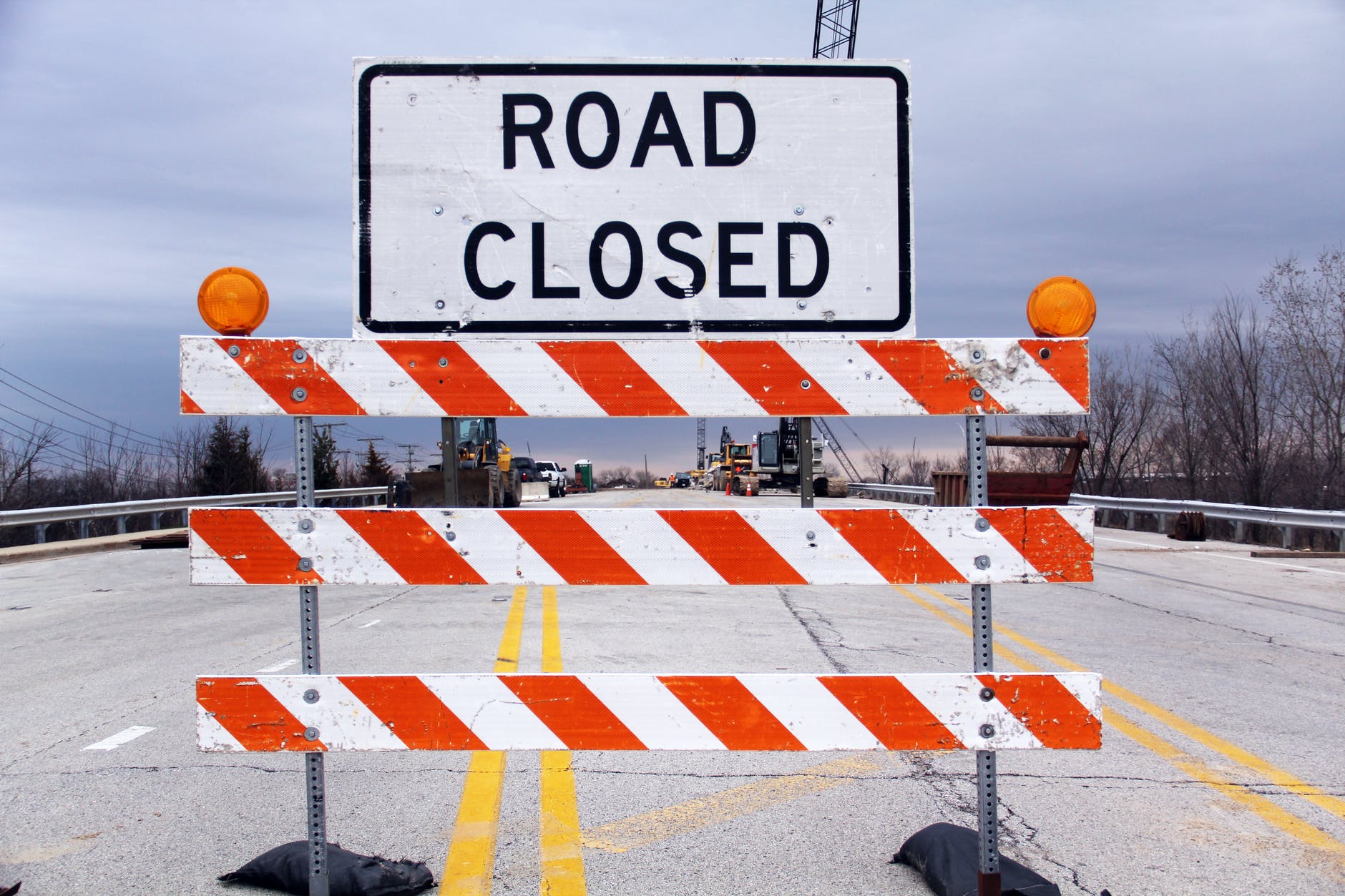
This big roadblock

Photo by John Guccione http://www.advergroup.com on Pexels.com

So with promoting my book, I feel a literal crawling feeling, a resistance to putting the book out there as often as people suggest I should. The book isn’t good enough. People won’t find it interesting. I can’t make it look interesting. I don’t want to shove it down their throats. Sound familiar?

I’ve tried a few methods — promoting here, on Twitter, on Facebook pages. There are several methods I’m just scared of — Bookbub and Goodreads, for example. There are so many places I fear working with. Can someone walk me through this?

If I have anyone out there working through internal perfection/external mediocrity, please let me know!

Unlovely Feelings

Feelings about writing I’d rather not have

Lately, I have written little. I’ve edited, edited, and edited (and frankly have at least two novels left to edit with ProWritingAid). But this means I now have writer’s block and haven’t done the very part of writing that gives me a high.

Photo by Anna Shvets on Pexels.com

The unlovely feelings I’ve harbored

Instead, the writing part of my life has become a series of unlovely and even petty feelings. I’m ashamed of the thoughts and cycle through them helplessly. In exposing them to the light, I hope I can exorcise them.

The cycle goes like this:

  • Being disappointed by my progress in writing/being read
  • Looking down at my talent
  • Being jealous of other people who have advanced in writing and being read

Self-pity and jealousy aren’t a good look, so I don’t let them out. Except here, I’m letting them out by owning them. By admitting them, rather than indulging them.

What do I do about this?

I think I need to go back to what I love, so I remember what I love about writing. And what I love about writing (other than getting attention, which I’ve already noted is failing) is actually writing. I need to create and then I’ll have the energy to do what I need to do — the promoting, which pushes me into the comparisons to others and the jealousy.

This is all very intellectual. but…

I’m analytical about this whole thing, which tells me one thing: I’m trying to stifle these unlovely feelings by managing them. Feelings are not to be managed without paying attention to them and letting them out constructively.

The way I learned to do this was through cognitive journaling. Without going into too much detail, cognitive journaling lets you document a feeling and its power over you, then examine the cognitive distortions that fuel those feelings. Many of our bad feelings come from inaccurate thoughts.

So that is what I need to do about my unlovely feelings — let myself listen to them and then find the truth.

I’ve got some work to do.

Misplaced guilt

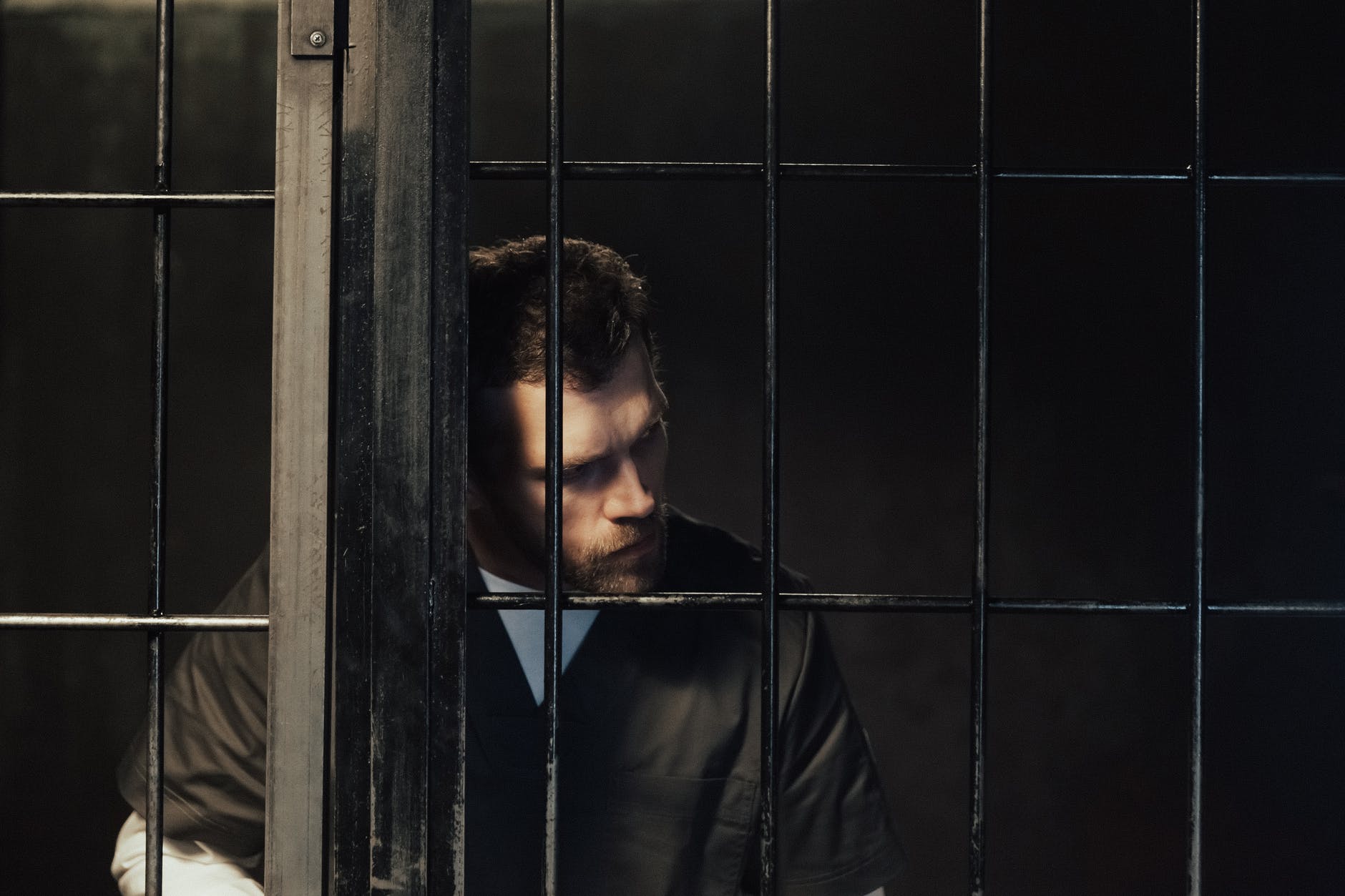
Photo by Ron Lach on Pexels.com

My break ends

My break time is ending. I have meetings tomorrow and Monday, and then next Thursday is my first day of class next Wednesday. I’ve readied myself for the Spring Semester over the break, finished proofing and publishing a novel (Gaia’s Hands), and fixed another book via ProWritingAid.

Do you know what else I did? A lot of absolutely nothing!

And now for the misplaced guilt

Here’s why I feel guilty every year:

  • I haven’t spent every waking moment (and in fact have spent virtually no waking moments) working for Spring semester.
  • If I had children, I would spend a lot of time on them. Instead, I write and proofread and rest a lot. Even the Pope says I should get some children for a full life (This coming from a man who stayed celibate all his life? Ha!)
  • People don’t perceive taking care of myself with a mental illness (bipolar II) as legit as resting because of a physical illness (I know, I know, it’s just as legit, but I don’t always believe it.)

Enough of this

I have to remind myself that I am the primary earner of the house, plus I write novels on the side as a hobby, and I am going to need some rest. Plenty of rest. I might as well save my energy for tomorrow and Monday and all the days full of COVID and student requests.

Time to rest now.

Faith

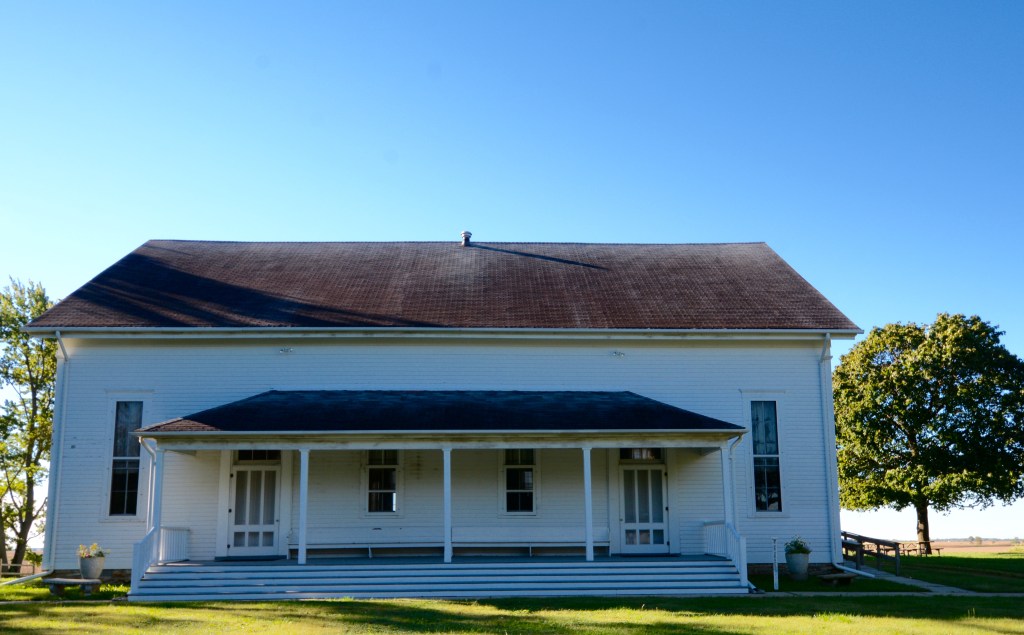
A memory of Friends Meeting

It’s been years since I’ve gone to Friends’ Meeting (what we often call Quaker Meeting), mostly because there is no meeting place here in town and the nearest meeting is 90 miles away. However, I remember a concept we had there, a way of thinking about the world and our actions. Actually, two concepts related to each other.

The first is waiting for the way to open. When one is choosing an action, one doesn’t give it up right away, assuming that it will fail. Instead, one waits for the way to open, waits for something to happen, with the guidance of other Friends which we call a clearness committee.

By Boscophotos – Own work, CC BY-SA 3.0, https://commons.wikimedia.org/w/index.php?curid=43877061

The other is laying something down. We also do this with the guidance of other Friends. The idea behind this is that sometimes it’s just time to let go of what we’re doing, again with a clearness committee.

The idea with the clearness committee isn’t that they speak from their own opinions. The committee centers themselves with the speaker with the belief they will speak from Spirit and give inspired guidance. Does this always work? I have a divorce that proves it doesn’t. But it’s good to feel supported by others.

I need a clearness committee

I have a lot of things going on that are unsuccessful by most standards. I have unread books, a blog with 10 regular followers, not much luck with social media, and a feeling of aimlessness. Is it time to lay my writing career down or try new tricks with promoting?

My husband might get called into a committee soon. I’ll let you know.

Writing and Growing

I am going back to my garden preparation after a couple of years of sitting out. I’m also going to keep writing if inspiration hits me (which I hope it does soon) and promoting my books on social media. And of course, work my day job (professoring). I’m going to over-commit myself, apparently.

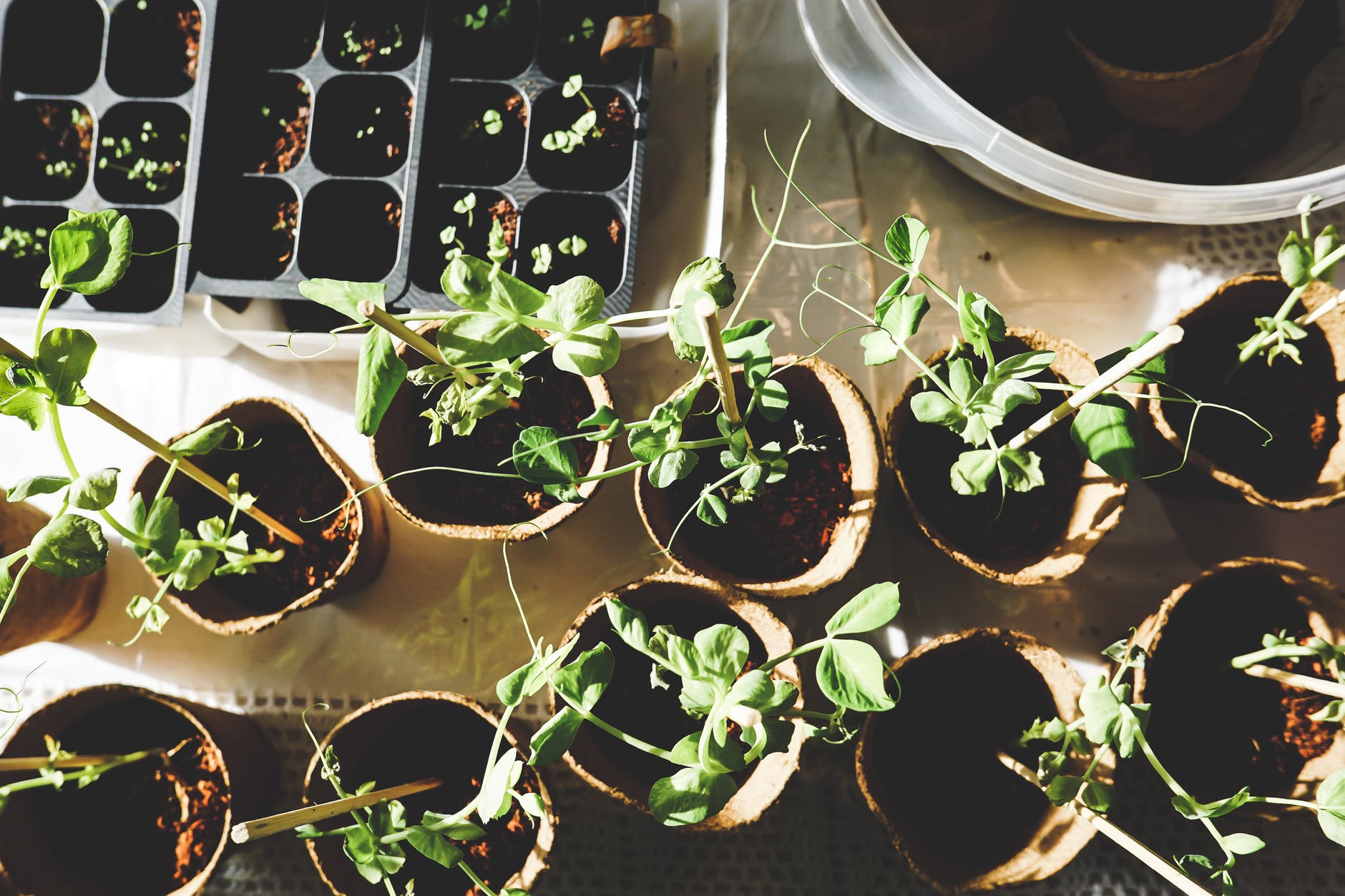
Photo by . u2583 on Pexels.com

I’m buying seeds, which is followed by cleaning my grow room and organizing planting times. Today I’ll organize planting times; later, I’ll make my husband clean the grow room. (I know that using the phrase “grow room” makes it sound like I’m growing an illegal crop, but I assure you I’m growing strictly legal eggplant.)

My strategy here is that, if I remove my focus from writing, I will find the inspiration to write something new. This has happened to me in the past, usually when I’m at my busiest time at work. It’s uncanny how often it works.

And maybe if I put my focus on writing, Richard and I will weed the garden more. I know I’m being overly optimistic. We’ll see.

What I Have Published

I haven’t updated my publications list lately, so I figure this would be a good time to do so.

Short Stories and Poems

Leach-Steffens, L. (2020). Thirty Years. Sad Girls Pub Lit. Available: https://www.sadgirlsclublit.com/post/thirty-years-lauren-leach-steffens

Leach-Steffens, L. (2020). Come to Realize. The Daily Drunk. Available: https://thedailydrunk.com/f/come-to-realize?blogcategory=Short+Story

Leach-Steffens, L. (2020. )Wasn’t/Was/Is. Riza Press. Available: https://rizapress.com/2020/01/09/wasnt-was-is/

Leach-Steffens, L. (2019). Slush Pile. Submittable Content for Creatives. Available: http://discover.submittable.com/blog/2019-rejection-horror-stories-part-1/

Leach-Steffens, L. (2019). Flourish. Cook Publishing Short Story Contest. Available: https://lleach.me/wp-content/uploads/2022/01/0ad2a-flourish.pdf

Self-Published Novels:

Leach-Steffens, L. (2022). Gaia’s Hands. Available: https://www.amazon.com/Gaias-Hands-Lauren-Leach-Steffens-ebook/dp/B09DBRN7XW/ref=sr_1_5?crid=25TC9AGIGJWQY&keywords=Lauren+Leach-Steffens&qid=1641131151&sprefix=lauren+leach-steffens%2Caps%2C75&sr=8-5

Leach-Steffens, L. (2021). Kringle in the Night. Available: https://www.amazon.com/Gaias-Hands-Lauren-Leach-Steffens-ebook/dp/B09DBRN7XW/ref=sr_1_5?crid=25TC9AGIGJWQY&keywords=Lauren+Leach-Steffens&qid=1641131151&sprefix=lauren+leach-steffens%2Caps%2C75&sr=8-5

Leach-Steffens, L. (2020). The Kringle Conspiracy. Available: https://www.amazon.com/gp/product/B08KFBLCPC?ref_=dbs_m_mng_rwt_calw_tkin_0&storeType=ebooks&qid=1641217948&sr=8-1

Serial Novel (Kindle Vella):

Leach-Steffens, L. (2021). Kel and Brother Coyote Save the Universe. Kindle Vella. Available: https://www.amazon.com/Kel-Brother-Coyote-Save-Universe/dp/B09B1CKVL2/ref=sr_1_1?crid=24TPNCO0NGU4L&keywords=Kel+and+Brother+Coyote&qid=1641218295&sprefix=kel+and+brother+coyote%2Caps%2C82&sr=8-1

Superstition

I’m the last person you would expect

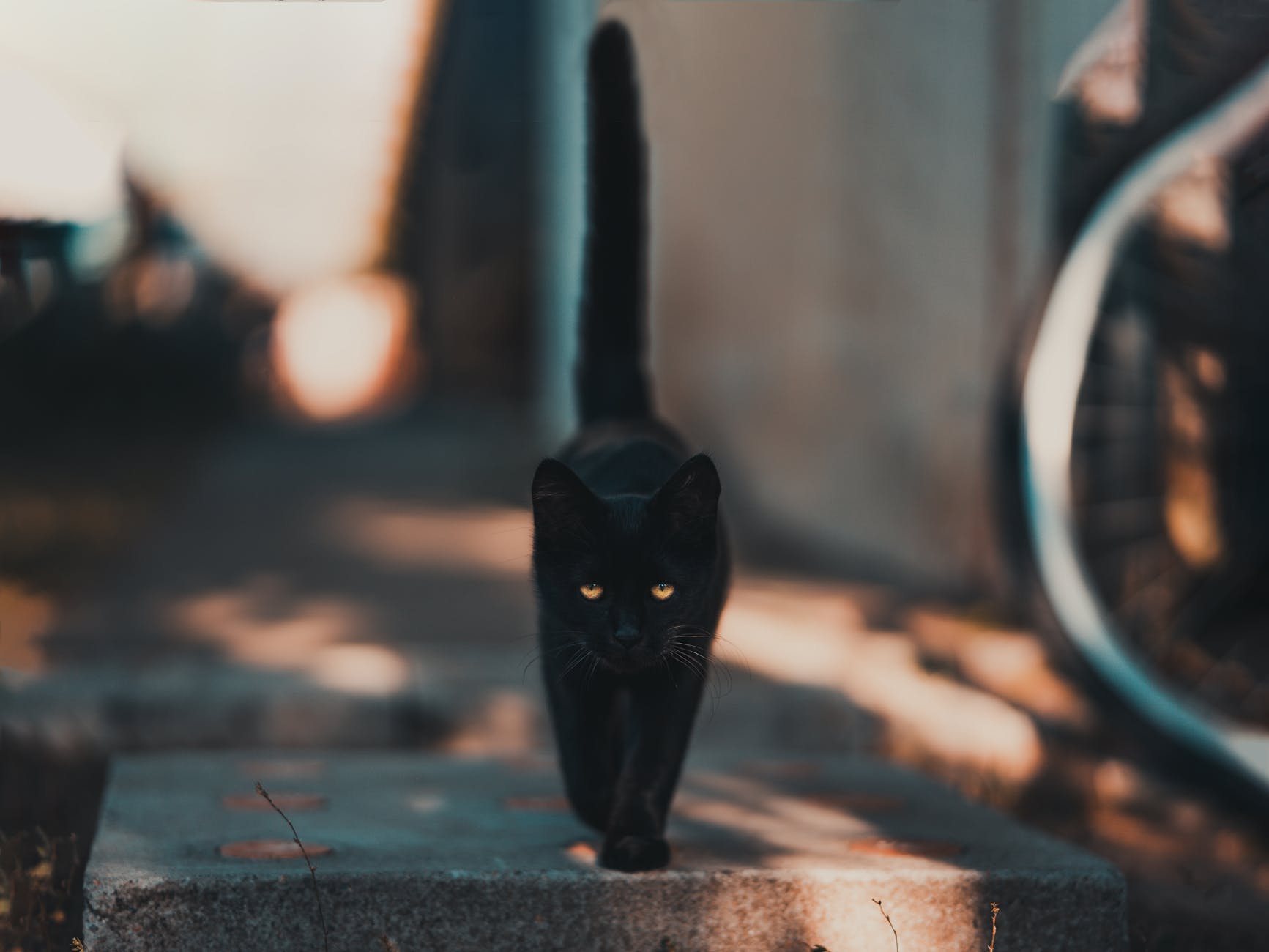
I have a Ph.D., yet I am superstitious. Not in the way typically meant by that. I have a mostly black cat. I break mirrors all the time because I am preternaturally clumsy, and I have opened umbrellas in the house. And whistled past graveyards, just for fun. So I’m not superstitious in the traditional way.

I am superstitious in terms of curses. If something bad happens to me, especially in screwing up my work or writing life, it must be a curse, and the bad things will keep happening until I break the curse.

Photo by David Bartus on Pexels.com

Breaking the curse

There’s only one problem with my superstitions: I don’t know how to break a curse. First, I imagine no specific person cursing me; I think it’s probably fate who has it in for me. (This is so irrational it embarrasses me). How can I break a curse with that sort of provenance?

I sincerely think I can, however, if I could figure out how. My superstition includes not magic, but symbolic psychology indistinguishable from sympathetic magic (because I have a Ph.D., of course).

When I write this down, the rational side of me cringes. I mean really cringes. But that’s the flip side of the problem — this is something I’m probably doing to myself subconsciously. My belief that I am failing might cause me to avoid what I need to do to succeed — at least that’s the psychological explanation; I’ve already admitted I’m superstitious). So who is cursing me? Me.

Time for me to do some ritual to reclaim at least as much luck as other people have. I don’t want to be too lucky, because good luck attracts bad influences.

I told you I was superstitious.