End of Vacation

My mini-vacation in Kansas City is coming to an end. It was our kind of vacation — Thanksgiving dinner at the Savoy, Hotwire lodging at the 21c Art Hotel, breakfast at Broadway Cafe, Black Friday people-watching at Oak Park Mall, lunch at Choga, cats at Whiskers Cat Cafe, and another breakfast at Broadway Cafe.

We bought this year’s Hallmark ornaments at the mall, and these set us back a bit because each of us had three ornaments in the series we collect. I’m not really a Hallmark person, but I do like Mischievous Kittens and Birds of the World. Not so much the dominant culture tie-ins. Richard collects Star Trek ships.

Sunday is my day to recover. Next weekend will be brutal with a lot of grading to do before finals. And then there are finals to grade, so expect me to be scarce. But after these two weeks, I’ll be free for about 3 weeks. Maybe it’s time to write again.

Happy Thanksgiving!

I have been doing nothing productive these past few days– no writing, no grading, just reading Regency Christmas romances. The next couple of weeks will be brutal so I need the break.

It looks like I’ll start rewriting the Kringle novel when I’m on Christmas break in a couple weeks.

Today is Thanksgiving lunch at the Savoy Grill, followed by Wicked at the Screenland Armour. Very Kansas City.

Have a very good day, whether or not you celebrate.

Special Foods

Daily writing prompt
Do you or your family make any special dishes for the holidays?
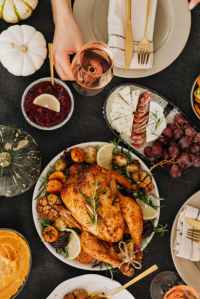
Photo by Photo By: Kaboompics.com on Pexels.com

I taught a lesson in my classes that covered the question “what shapes our tastes and preferences?” The questions asked of my students were as follows:

  • What did you have for dinner last night?
  • What did your family typically have for dinner?
  • What were special holiday foods?
  • What was the most unusual food you’ve eaten?

The first and second questions covered items like availability and ease of use. Sometimes dinner reflected the cultural exchange of foods into our society (if they said, for example, pizza and spaghetti). The third question, though, hit upon the idea of food as cultural expression.

Holiday foods were typically traditional cultural foods — the typical Thanksgiving dinner for example. US Thanksgiving turkey and stuffing come from the near-legendary first Thanksgiving, but run through a British colonial filter. (The original Thanksgiving dinner featured venison and fish, not turkey. The turkey is the American bird version of the goose served at Christmas in Britain.)

Sometimes students’ special holiday foods included cultural celebrations. Often they weren’t aware until they learned not everyone eats ollebollen (fried round raisin dumplings) at New Year’s. Others were aware that their German or Swedish heritage meant special Christmas cookies.

That being said, what were my holiday foods? I think of my dad’s side of the family, who descended from people who hunted and trapped and fished as their livelihood. Holiday meals had to include foods that could have been procured by my ancestors. For example, my grandfather smoked trout and that would go on the Thanksgiving table. We would have duck or goose — storebought, but something my ancestors would possibly serve. My mother’s family would make the more traditional thanksgiving, but oil and vinegar coleslaw would be on the table. (I don’t know if this was because we had German ancestry or because mom made really good oil and vinegar coleslaw. I have her recipe because it was straight out of the Betty Crocker cookbook.)

This year I’m eating at a restaurant for Thanksgiving because there’s only two of us. This is what happens in the US as the oldest generations die; the grandparents become the nucleus with their children and grandchildren as satellites. We have no children or grandchildren, so my husband and I are a unit of two. This works fine for me.

A Well-Deserved Break

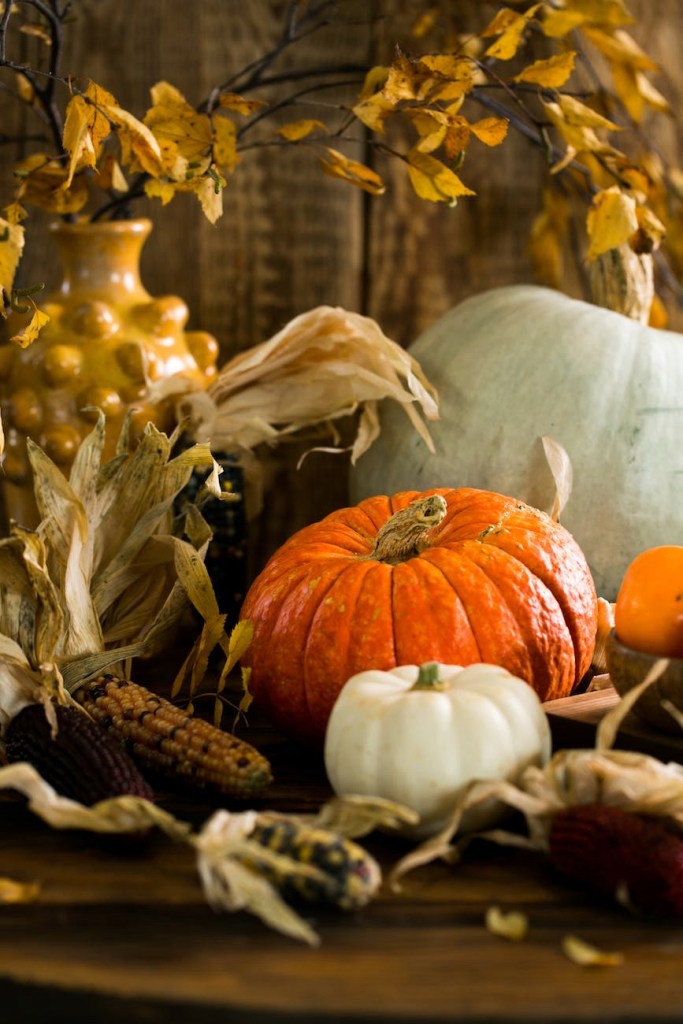
Photo by Oleksandr P on Pexels.com

My (American) Thanksgiving break starts today after classes, for which I am very thankful. The thing about being faculty at a university is that you don’t get to schedule vacations when you want, but the vacations you get are generous. A week at Thanksgiving and Spring Break, three weeks at Christmas, and the whole summer if you elect not to work summers. (Many, if not most, faculty teach at least one summer class; I handle internships.)

Often, our breaks aren’t work-free. Many faculty members, like me, will catch up on grading over the break, or will set up classes for next semester in the spaces between semesters. But the change in routine, and that we won’t be dressing up and meeting students, is a break enough.

I plan on resurrecting my Christmas novel over the break, grading three homeworks, and playing Christmas carols (I know it’s early, but I need a little Christmas now with all the political bad news we’re going through). My to-do list also involves a certain amount of lounging on the couch. I will be going to Kansas City for a writing retreat and Thanksgiving dinner over the weekend, so don’t feel too sorry for me.

I need this break, because when I get back to work, there will be three major assignments to grade and then finals (including an essay final) in two weeks. And then there will be Christmas break.

Thanksgiving

I like the idea of a festival to celebrate giving thanks. I don’t like the mythology of Thanksgiving so much — the white savior narrative, the lack of acknowledgement of the genocide of the Native Americans after that.

I like stuffing and mashed potatoes. I‘m not so fond of turkey. Turkey wasn’t even part of the original Thanksgiving (venison and fish were). Turkey is very dry unless you deep-fry it.

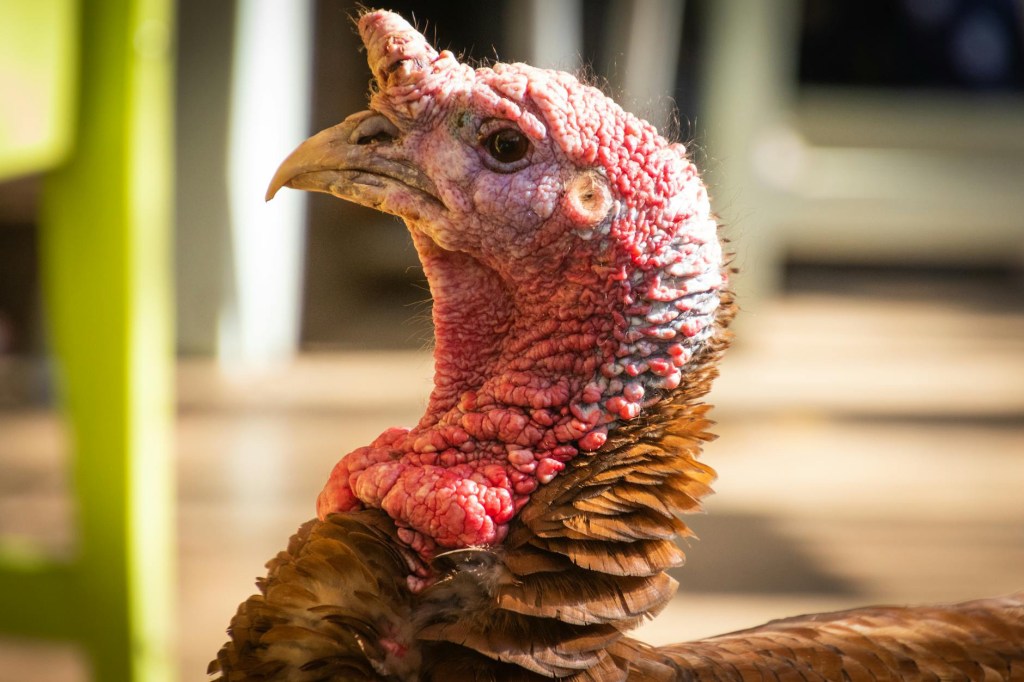
I like the fact that Starbucks is open, and the youngsters running the place are a bit silly today. One keeps doing bird calls for reasons I don’t understand.

I like being off work!

 American Thanksgiving is fraught with a misleading mythology. In the great American myth, the first Thanksgiving was a dinner held jointly between Native Americans and the white settlers, bringing them together.

There are several problems with this scenario:

  • It assumes the Native Americans had no thankfulness rituals, when indeed they did.
  • It assumes that the white settlers and Native Americans lived happily ever after, when in actuality the Indians were systematically killed and driven into successively smaller parcels of land, all in the name of Western expansion. 
Americans are indoctrinated into the myth at an early age in our schools. We cut out Pilgrims and Indians and learn about the myth  of the First Thanksgiving. Although that dinner actually happened, we are kept away from its aftermath. We are told (or at least we were in my time) that the Indians don’t really exist, but we are not told why.

The myth and its originals are personal for me. I am a child of the white settlers and of the Native Americans. I count Michel Cadotte and  Ikwesewe of the Lake Superior (now Lac du Flambeau) Ojibwe as ancestors. Mostly white but for the stories of my family, where we remember ancestors with long black hair and almond-shaped eyes. 

For me to celebrate Thanksgiving, I have to separate the thanks-giving from the mythology, and at the same time remember the thanks that my ancestors gave to their Maker. 

About Time


Maryville, MO is under an emergency order which limits gatherings to ten people or less and enforces the mask ordinances because of an upswing of COVID. (It does not shut down local businesses or enforce shelter in place.)

And it’s about time. Many residents of the town have proven that they can’t comply with the existing mask ordinance, thinking that their legal rights are being impinged upon.

Hint: No, your rights are not being infringed upon; you’re being asked to do what’s good for America and your fellow human beings. Don’t you want to do what’s good for America and your fellow human beings? Then we’ll make you wear the mask because the governor is calling the National Guard out to help in the overwhelmed hospitals and morgues.

It’s not like I’m not suffering as bad as the anti-maskers are. I will not be spending Christmas with my family. I will not be in Kansas City for Thanksgiving to watch the lights. I have ZOOMed my entire semester of classes. I feel lonely and would feel more lonely if I wasn’t married. But I adhere to the rules because I don’t want to be responsible for contagion. 

I’m angry right now at all the people who should have refrained from meeting in large groups with strangers, who have gone about without masks and with a bad attitude, who have ruined Thanksgiving for all of us because they kept the contagion going.

Thankful for my Burdens

I make a habit of being thankful for the adversity in my life as a way to make peace with it. This year is no exception:


  • I am thankful for the social isolation I’ve faced with COVID-19, because I have had to learn to be patient and to wait for those vacations and writing retreats to be scheduled in an unforeseen future.
  • I am thankful for my bipolar disorder because I’ve had to learn to take care of myself.
  • I am thankful for my learning disability (the inability to visualize) because it has made me work harder on my writing.
  • I am thankful for every argument I’ve gotten into with my husband because we’ve both learned from them.
  • I am thankful for not being rich because I haven’t lost my sense of perspective.
I know that it’s an odd thing to be thankful for adversity, but to me it’s more powerful than to be thankful for one’s blessings. I have many, and I could go on about those. It always feels to me, though, that being thankful for one’s blessings is rubbing it in to others who don’t have those blessings. It’s easier for me to be thankful for my burdens.