Progress, Sort Of.

I am writing, although my output on this book seems to be more like 600-1000 words a day. I don’t think the book is as unsalvageable as I did before, but I’m still not feeling it.

Photo by Pixabay on Pexels.com

I think the drop in writing progress is because I don’t have my identity wrapped up in being a writer these days. Most writers, it turns out, sell few or no books, and that means little or no recognition. I became a writer for the wrong reasons, it seems; I wanted people to read my stuff and tell me it was good.

In the midst of that, I found out that I really liked writing. I loved writing in my little world, and I got to know my characters pretty well. I became a writer, in other words.

I don’t know what the remedy is for not feeling like a writer. Is there one?

Blogging as a Writing Ritual

Lately, I have been blogging in the morning before I write (or edit), intending to use it as a warm-up to those activities. So far, it has been working well.

One thing it yields is a daily blog, and my regular readership has increased from four people to ten. I’m not sure what it takes to get my readership up further. But I’ll take any improvement I can get, so thank you readers!

Another thing it yields is more reflection on writing as a discipline. This helps me to think of myself as a writer. It’s strange; I rarely think of myself as a writer, just as a person who has a habit of telling stories to myself. But saying “I write my blog as a ritual before I sit and edit” makes me feel like a writer.

But the biggest reason for the blogging ritual is that it warms up my mind for writing/editing. It signals to me I need to focus on words. Even the suggestions ProWritingAid makes to my writing help me warm up.

There are other ways I could warm up, but blogging efficiently yields a useful result. And you get to read it.

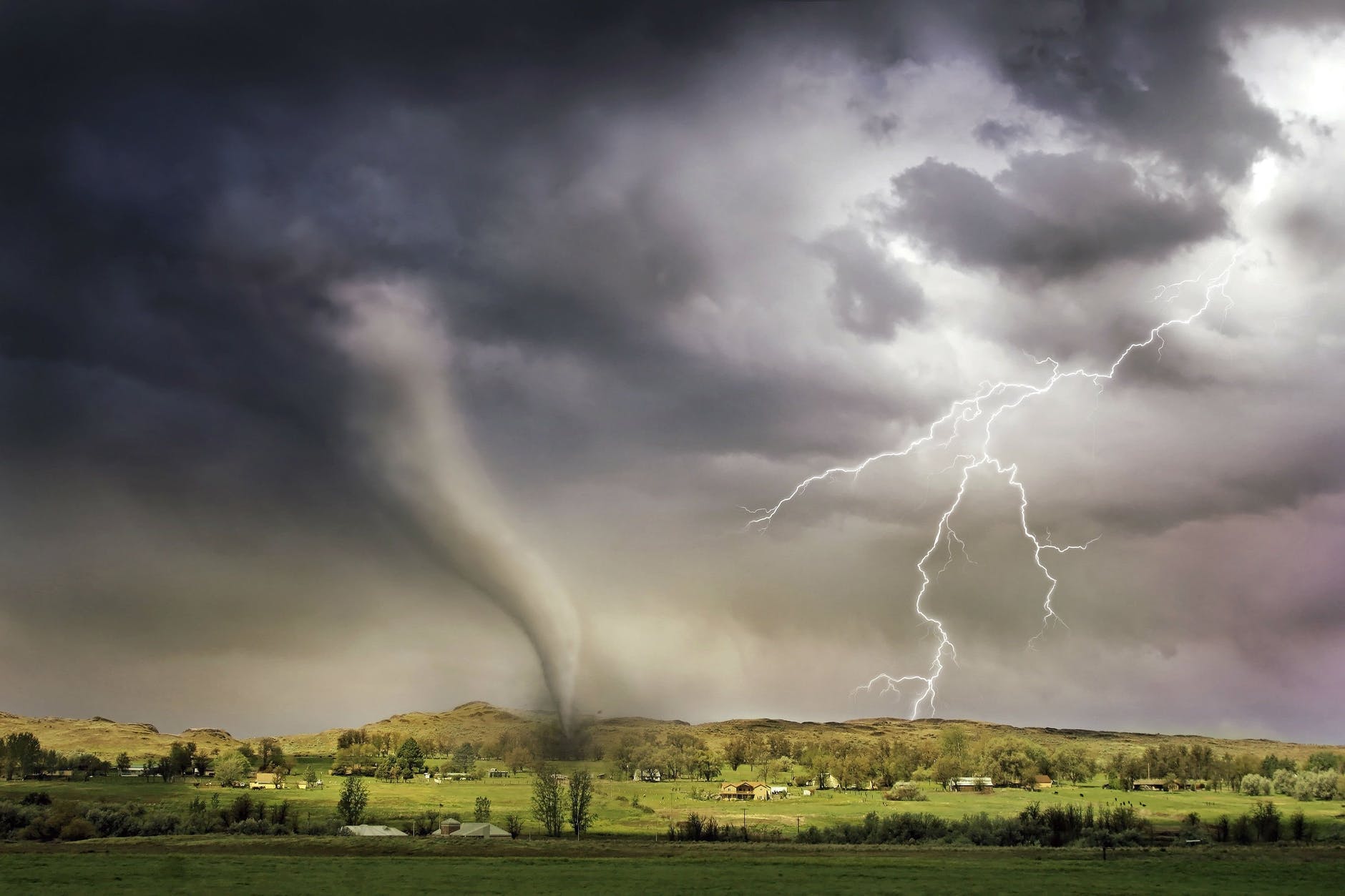
Weather and the Writer

I’m sitting by the window at Starbucks. My husband sits across from me, finishing his first screenplay, based on my first Christmas novel. The Kringle Conspiracy has sold a few copies, and I have distributed free copies to almost 5000 people on BookFunnel in exchange for registration on my mailing list.

It looks like it wants to rain out. It rained earlier, but we could use more rain. I could use more rain, wind, and petrichor to remind me that summer will be over soon. I talk about the weather a lot, because the weather always surrounds us and engages our senses.

Writers use weather to inform their scenes, but not always in the way we expect. Do happily ever afters always happen under sunny skies with rainbows? I can see scenarios where the last scene, the big kiss, happens in the pouring rain, or in a snowstorm. Each of those would communicate two different feels — the pouring rain might be tempestuous or cathartic, the snowstorm cozy or threatening. A battle in a torrential rainstorm would be grueling, but on a sunny day, be ironic.

I want you to take a moment and imagine some weather, either some that you love or some you hate. Then tell a story about what happens in that weather, describing the air, the sky, the precipitation (if any). Make the scene about the weather and what happens in this weather. Write it down.

Photo by Ralph W. lambrecht on Pexels.com

You are now a writer!

On a Trip to Kansas City as a Writer

Why am I in KC?

I’m on an internship trip overnight, getting some away time in. I saw three interns yesterday, and will see another this morning. It’s part of the job of being their internship director. It’s fun seeing where my students are working.

I’m thinking about writing as I sit in a coffeehouse (Opera House KC) waiting for one of my favorite stores to open. I need some spices at Planters, and to look at gardening gadgets. I will also shop for Asian foods and eat Ethiopian for lunch. Life is good.

Photo by Igor Haritanovich on Pexels.com

Thinking about writing

As I think and drink lavender latte, I realize that, for me, thinking about writing isn’t thinking. It’s more like a sense of interest that envelops me, and I feel like following that interest in writing. Maybe that’s been my problem, thinking that thinking about writing was what I needed. No, I need to be a writer and follow that up with what I need to do to write.

It sounds bogus. First, be a writer; second, write. It’s not, in a way I have trouble explaining.

But it’s that way.

Stages of Writing

 I have just gone through the first proofreading pass of the second book in the Kringle Chronicles, Kringle in the Dark. In the book, Brent Oberhauser, self-professed nerd, falls for Sunshine Rogers, who keeps the books for Yes, Virginia, a Christmas charity. Her boss, Jack Moore, receives blackmail letters in the mail and Sunshine finds significant mysteries in the paperwork buried under the category of “miscellaneous”. In a clash of wills, Sunshine and Brent break up to avoid heartbreak later. The two must find a way back together to try to stop the blackmailer and solve the puzzle of Yes, Virginia.

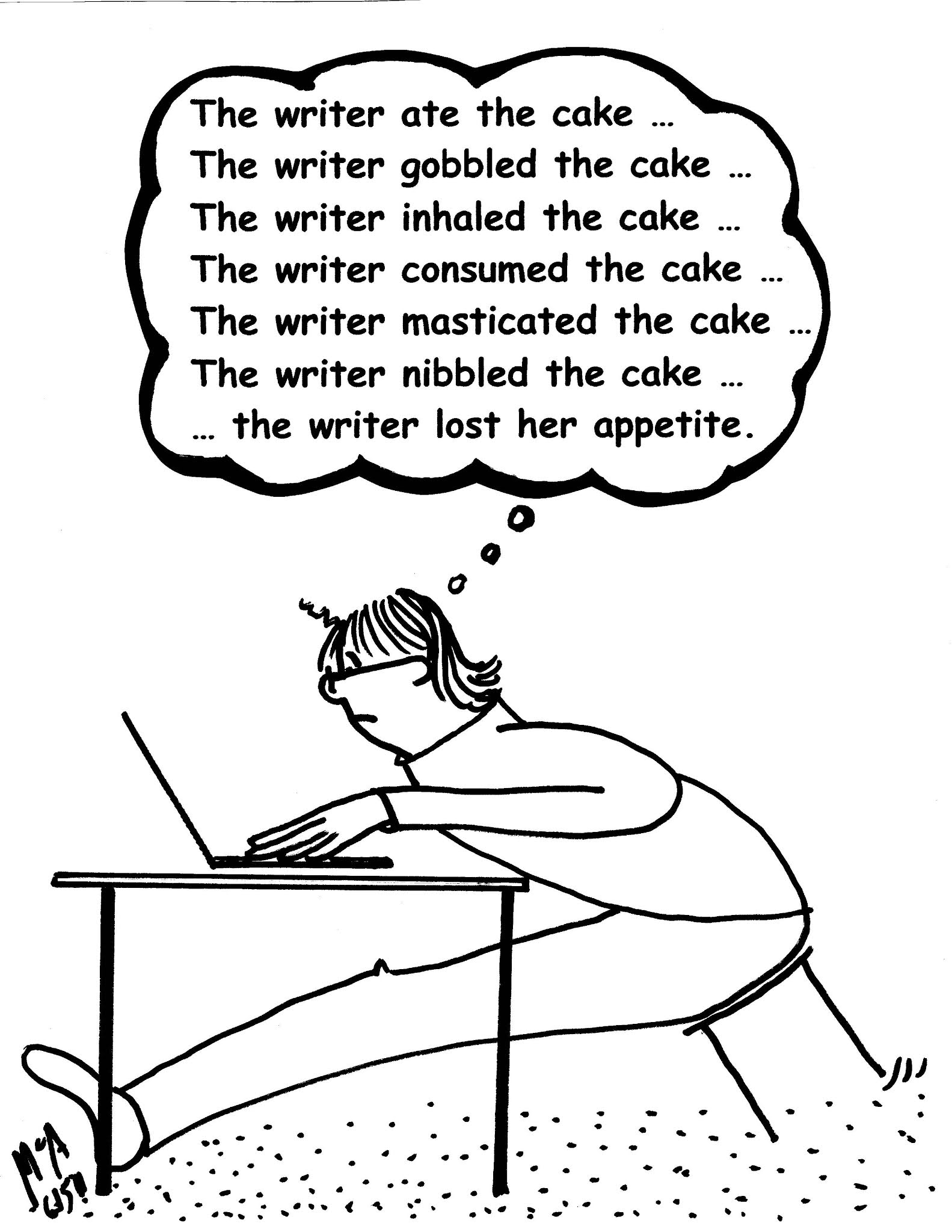
Right now, I rather like the book, being amazed that I could produce something that good in less than 30 days (aka NaNoWriMo project). But that’s just a stage in my writing. Here’s the stages of my writing:

  1. Beginning: Look how effortlessly I write!
  2. After a quarter of the way through the book: I’m just slinging words onto pages. This book is going to be a mess.
  3. Finishing the first draft: Thank goodness it’s done.
  4. Proofing the first draft: This book is actually good!
  5. Finishing the first draft: There has to be something wrong and I can’t wrap my head around it.
  6. Receiving document back from my in-house editor (i.e. husband): No, look it over again. What’s WRONG with it?
  7. Second draft: This book is a mess.
  8. Fast forward to book in hand: This is MY book. Don’t you hurt my little book!
I guess this means I’m a writer. 

You are a writer


I believe I’m back from my writers’ block. I don’t know if I’m ready to edit/rewrite Gaia’s Hands yet, and I certainly don’t feel like writing one of those two books I have on debt (Hands and Gods’ Seeds). The former would require me to go to Poland for a few months, and I don’t have the time or the translator. 

But I’m a writer, and I can’t escape this, even if I don’t get published. Even if I feel bad about the fact that I don’t get published.

I hope there are other writers out there who need to hear this: If you set paper to pen regularly, if you see stories out the window of the cafe or in a crowded cafeteria or on the street, or even in a collection of ants on the sidewalk, you are a writer. The world is yours to create with, and even if nobody else has seen your work, you are indeed a writer.


Who I am and why I write

 I haven’t done this for a while, so…

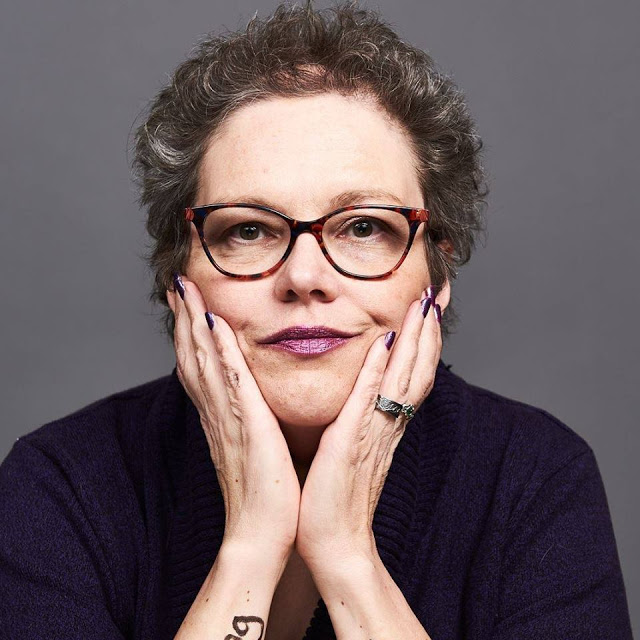
My name is Lauren Leach-Steffens, and I am 57 years old, about to turn 58 in a couple weeks. I don’t feel that old unless I try to sleep on the ground while camping, and then I feel every year of that and more. When I am not writing, I teach college at a small midwestern regional university. I’m an associate professor who has had tenure for the past 15 years.

I am a writer. I write contemporary fantasy, with the philosophy that the unusual is hidden in plain sight for those who know to look. My world, which looks much the same as this one, hides preternatural beings, people with hidden talents, and legends that shape the earth for lifetimes.

I first declared myself a writer at age seven, when my third grade teacher posted my Groundhog Day poem on the classroom door. I remember going home and telling my mother I wanted to be a poet when I grew up. She asked me if I wanted to eat, and I was the sort of person who liked cookies more than just about anything. So I said “Yes,” and my mother informed me that poets starved. It was then I set aside my dream of becoming a poet.

It wasn’t that I quit writing. I wrote poetry and stories all throughout school. In fifth grade, I got roped into writing a poem for a high school neighbor (even though it was cheating) — he got an A. My eighth grade English teacher collected two years’ worth of poetry and gave it back to me to keep when I left eighth grade.

I wrote poems and short stories (although I know now they were more character sketches) throughout my life, even as I was working on my PhD, but I didn’t make much of it. I didn’t revise for publication, I didn’t let people read them, I didn’t publish them.

And then, five years ago, I started writing a series of short stories and character sketches around a general plot line, and my husband said, “If you’re going to write all these stories about the same thing, you might as well write a novel.” 

I didn’t think I could. But as I started writing, I came up with a first draft. A problematic first draft that I am still revising. But then I wrote another and another.

My novels have not been published yet, but I have had short stories and poetry published and recognized — an essay in A3 Review, poems in Sad Girl and by Riza Press, short stories that have won honorable mention by Cook Publishing and New Millennium Writings and Sunspots, to name a few. 

I have dreams — getting one of those novels published, getting published in a more selective journal (even though I write fantasy), getting something to really brag about. But for now, I write, and I continue writing. 

Trying to get Twitter

So I’m trying to up my Twitter game …
My guide to building a social media platform for my writing has been challenging. I find Twitter to be overwhelming.

Ok, Boomer
I’m aware that a good part of the reason I’m overwhelmed is because I’m getting older. As much as I hate this fact, it’s unavoidable. And everything I’ve heard says that the older generation has to explain technology to the younger generation.

The overwhelming factor
What I find overwhelming is the sheer size of the Twitterverse. How do people have time to read all these posts? It seems like posting is akin to throwing the message-in-a-bottle out into the endless ocean and hoping someone sees it.

It’s not so bad, people assure me. There’s always hashtags. If you can figure out the hashtags, people will read you. If. You. Figure. Out. The. Hashtags. 

My husband just explained hashtags: You make a post; you create a hashtag. Other people notice the hashtag, and it trends, and then people notice, and then you get likes and retweets. Except this is the Twitterverse, which as I pointed out is a vast sea of hashtags. 

To my relief, I know one of the hashtags people use to promote writing, or at least being a writer: #writingcommunity

All is Not Lost
I did the thing I should have done a long time ago — ask people in #writingcommunity what hashtags I should use as a writer. I also participated in a #writerslift thread. 

Maybe I’ll get the hang of this.

If you can help me get the hang of this, please email at lleachie@gmail.com

Live as if you’re already published

In a trance last night, my mind told me to live as if I’ve already been published.

That’s an interesting concept. My rational self wonders what it really means, though.

There are ways in which I can’t live as if I’ve already been published. For example, I can’t show off my writing to my friends. I can’t plan a book publishing party or a book tour. I can’t try to sell the nonexistent book at writers’ or readers’ conferences. 

So what does living as if I’ve already been published mean? I can take the pressure off myself; I don’t have to prove anything. I don’t have to believe myself inferior to those authors who have published books. Technically, I am an author, having published a few professional articles in my field, one opinion piece in the local newspaper, several personal essays for progressive religion publications, one short story and one flash fiction. So I can call myself an author even if I haven’t published a book.

I don’t have to prove anything. I’m already published. I’ll keep trying to publish a book, but I don’t have to anymore. I’ve accomplished my original goal.