Wow, when was the last time I wrote here? I think it’s been a few days. I’ve been busy scheduling internship visits and going on internship visits and recovering from internship visits — in other words, summer as usual.
I’m struggling to write. This might be because I skipped to the last chapter of my book, hoping it would be an easy write, and it has been anything but. Maybe I need to go back to a hard chapter and start setting up for the final battle. There’s a few chapters of setup there to happen. Maybe it’s those doubts about writing creeping up again.
I’m not going to get out of those doubts any way but to start writing again. Even this short entry is writing, and I can do this again and again until I get out of the rut.
I’m here in KC for a change of scenery and some writing time at my favorite cafe in town. I’m hoping I feel motivated to write on the story, because I’ve been struggling with that lately. I’ve skipped ahead to the last chapter to write on that, and maybe that’s the problem. Not much happens in the last chapter of a book except the tie up the loose ends. And in this case, a baby is definitely front and center.
I don’t really understand babies. I’m childless by choice; I have never been graced with a maternal instinct. But enough of that; I am sitting in the best cafe in Kansas City.
Broadway Cafe is the real thing, with worn chairs and scuffed walls and young baristas. I don’t know if they do latte art because I’m drinking their coffee of the day, Guatemala. The coffee is roasted and brewed so well that it has notes. It doesn’t just taste like dark roast. If we hadn’t just had breakfast at AC Hotel, we would have some pastries
So from here, I write on the book. Damn babies. What do babies do at 3 months old? They eat, poop, cry, burp and squeeze your finger. How hard can that be? They smile, which is how they get away with eating, pooping, crying, and burping all the time.
And people make burbling noises at them.
Ok, back to grounding myself in my surroundings. I have coffee, and I’m about to write. I’m about to write the sappiest chapter in my life. All it needs is a cute dog. (It’s not going to get a cute dog).
In WordPress, in editing mode, there’s this blue plus sign in the upper left corner of the screen with a lot of options. I’ve used few options, mostly because I haven’t needed to. But am I missing something? Let me see.
I’m specifically playing with Embeds today. Embeds are a way of putting external content from social websites into your blog. Let me start with embedding one of my books via the Kindle embed:
Oh, I like that! Visual, professional, and with a link!
It’s an old map — the university no longer houses the Missouri Academy. And 102 BBQ? I’ve lived here for 24 years and don’t recall seeing that.
There are a few embeds I can see myself using plus many more I won’t, because I don’t have the social accounts they correspond with. The ones that work are pretty attractive, though, and I especially see myself using the Amazon Kindle one.
I want to feel effervescent, like Max Richter’s recomposition of Vivaldi’s Four Seasons: Spring. Effervescent means bubbly, but not in the sense of a bubble bath with its larger, comforting bubbles. Effervescence is fine, tiny bubbles, fizzy bubbles, sharp on the tongue when drinking sparkling water. Where bigger bubbles sing like whales (if they could), effervescence tinkles like fairy bells and giggles.
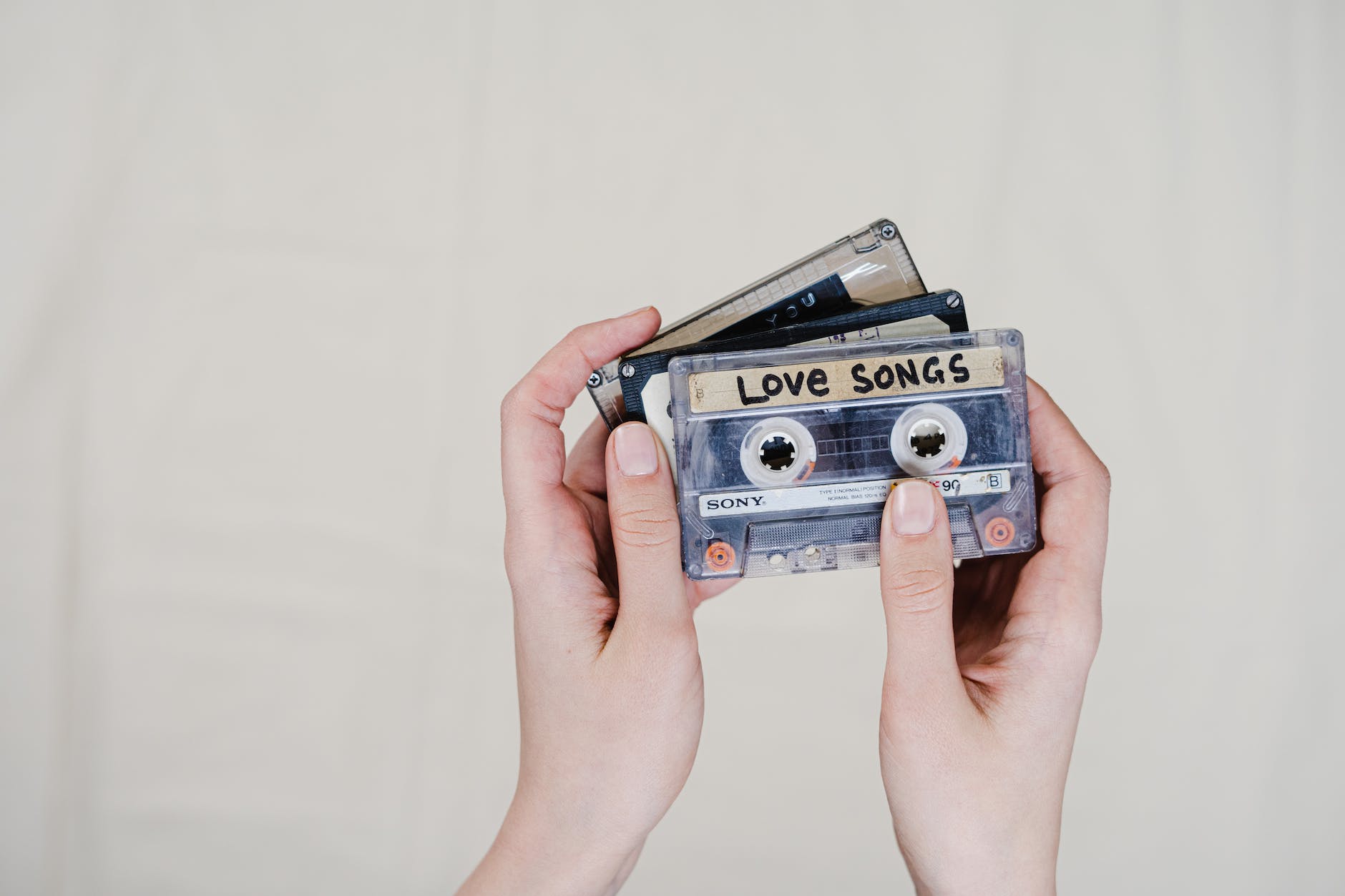
a cold coffee
Today is not an effervescent day. It has been gloomy all day, with a tendency toward light rain. I am not effervescent today, not even bubbly. I’m cold coffee looking for ice so I can chill. If Vivaldi composed this day, it would be the Fifth Season: Blah. The opposite of effervescent.
I don’t know how to make myself feel effervescent, or maybe I do. The right company can make me feel effervescent. A crush can definitely make me feel effervescent. Enough hilarity would make me feel effervescent. (As a nerd, I have some go-tos for this: Galaxy Quest, Middleman, Shinesman, Young Frankenstein). Hypomania makes me effervescent right until I’m clutching my hair and yelling “Make it stop!”, so I don’t want to go there. I definitely prefer the other methods.
Right now, in the middle of a rainy work day, I’m going to have to settle with not being effervescent. That cold coffee isn’t bad with a little cream and ice.
Feeling uninspired today, I decided I would try the prompts that are now packaged as part of WordPress. And as you can see from the above, I got a doozy.
I’m all about big audacious goals, showy goals, big reward goals. Intoxicating goals. Probably comes from being one of those honor students who got external validation in the form of praise and trophies.
There’s one little improvement that would increase my quality of life, but thinking about the improvement itself makes me want to sit in the middle of my living room and cry.
It’s cleaning my house.
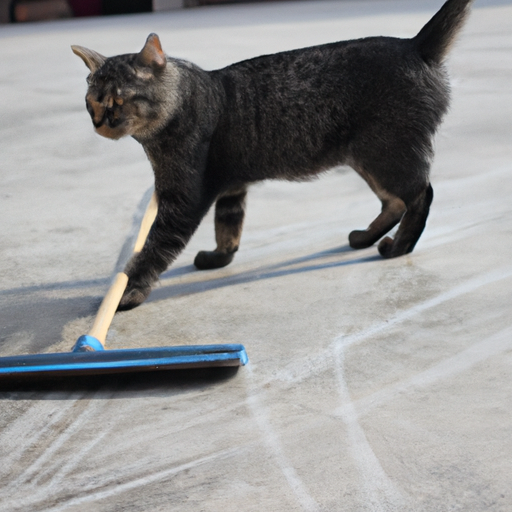
a cat sweeping the floor
My house is about what you’d expect with two bookish types working full-time who hate housework. I have writing as my pressing hobby; Richard just hates housework.
Our house is cluttered. Despite the fact that this house is over twice as big as the one we moved out of eleven years ago, it’s just as cluttered. We just got more stuff to fill the space.
I feel like my writing would be better if I didn’t have to look at so much stuff and move it aside so I can sit down. Having a clean house would feel like a holiday!
I have to start somewhere, and there’s just so much stuff and I can’t throw any of it away. Maybe if I (and/or Richard) pick one room at a time and have a sorting basket nearby. Think of places to put the clutter, places that make sense. Don’t put the clutter in yet another pile to be sorted eventually. Proceed to the next room, which hopefully doesn’t have new clutter piles from the last room cleaned. Phew!
It looks like maybe cleaning the house isn’t a “small improvement” after all.
I have become sleepy lately (extending the metaphor). No Big Audacious Goals, just work and writing on a novel I’m afraid is sleepwalking across the countryside. No exciting plans this summer. No tempting opportunities. Nothing that gives my soul a psychic jolt of caffeine (this extended metaphor is getting silly).
I know I should be able to wake myself up, but inertia is so difficult to break. Which is why I need an assist from the Universe. I want this to be a good morning wake up, not a wake-up call in the colloquial sense, or a wake up and smell the coffee. A good gentle shake, or a cat plopping on my chest. Or fireworks, I’d take fireworks. Or someone yelling from the doorway.
In the meantime, I will see if I can make myself that metaphorical coffee.
I will hit 60 in a couple of months. It’s been hard to listen to music, because I keep gravitating to the music I listened to when I was younger, and I get a flood of memories that distract me from the moment. Sixty is a lot of years to remember, and remembering makes me feel old and dizzy.
I’ve read cocooning in the music one is familiar with is a tendency that starts in middle age. Or maybe it’s a Boomer thing. Today I’ve broken the habit and play music I’m not familiar with, because I have cushioned myself in the familiar. Singer-Songwriter music from the ’10s instead of the ’70s. No more dredging through my childhood.
Perhaps this is a key to not letting the big milestone crush me. For I feel like it will crush me, like I will wake up the morning of my birthday and the weight of all those memories will obliterate me. I was born before Kennedy was shot, an event my students don’t even recognize, much less identify with. September 11? They don’t identify at all.
I think the key is moving forward, to save the golden oldies for meditative afternoons when I don’t mind dredging through my past. This is not that time. This time is for something new. The playlist is different, but I’m getting into it. Maybe I won’t get crushed by my past when the time comes.
I just found a prompt on Loomly the other day (Loomly is a social media manager like Hootsuite except more user friendly and much cheaper) that suggested, just as I’ve seen suggested on TikTok, that ‘everything is content’. One should present what one is doing to the millions, thousands, or (in my case) dozens of followers on social media.
I have problems with this. First, not everything someone does is ‘on message’. People expect a theme to one’s presence. On TikTok, @alexisnicole usually forages and makes amazing recipes with her wild crafting. @bdylanhollis cooks vintage recipes with often hilarious results. @dontcrossagayman tells his everyman hero stories about his interventions with bigots and creeps. They stay on message.
Second, not everything someone says should be out there. I have chronic bipolar depression. I know I can occasionally say “I’ve been dealing with depression,” but what I can’t do is go through a stream of consciousness about what it feels like to be depressed. That’s too much. I can’t ask my readers to be my therapist.
I must admit I struggle with content. I seem like I write all over the place, from reviews of apps to snippets of poetry to progress reports on my writing to my own personal experiences. If I have a message, it’s “This is what it’s like for me as a writer.” Part thunderstorms, part computer programs, part coffee, part cats, part violets. I hope it works, because I’m trying to stick to the good content.
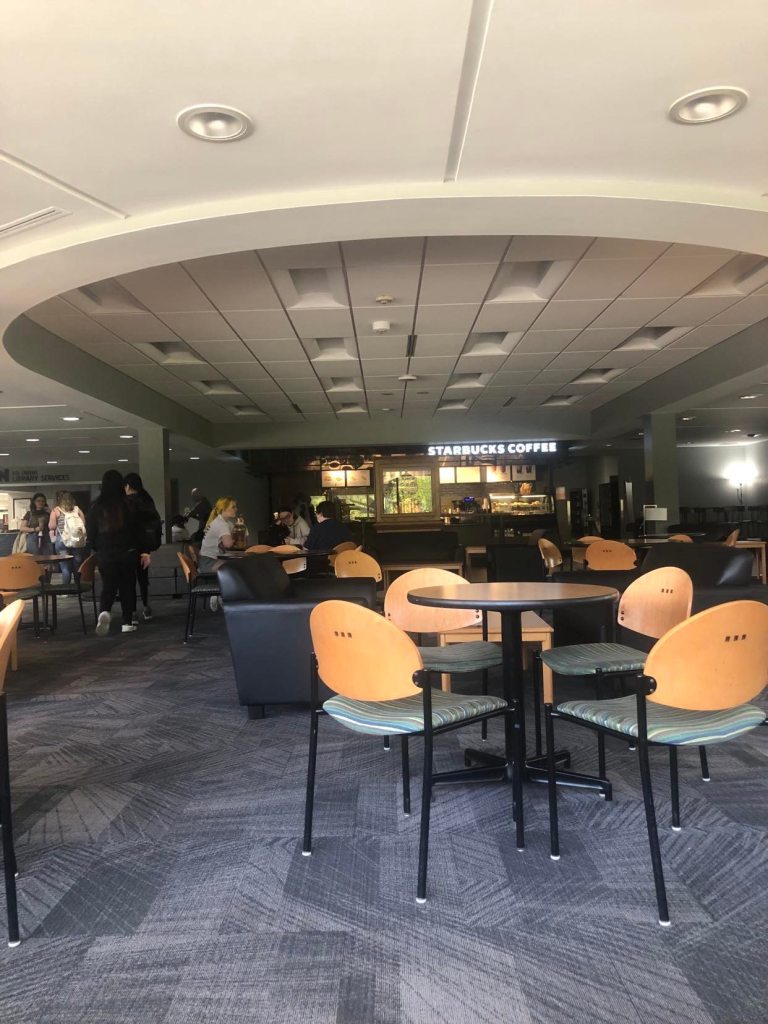
I’m sitting in the campus Starbucks, which is in the library, perhaps the coolest Bux in the US (or the nerdiest). My semester is over, which means flowers and warmer weather and more relaxed schedules are ahead of me.
I’m sitting in one of the coveted low upholstered chairs, which is what the early bird gets to sit in. The short table fits me perfectly, and I’m set up to write. Except I don’t feel motivated to write.
I have a novel to write on, and I’m on the first draft. All I can see is the imperfections — to where I’m reading the first half and putting huge comments on it. I haven’t even written the second half. NaNoWriMo and other guides suggest one gets the first draft written first, then edits.
I look up from my computer where I’ve been staring at the screen, and a tall, slender young woman sits in the chair across from me. Not one of my students, but I know her. She shouldn’t be here; she’s not real —
“Just because you wrote me doesn’t mean I’m not real,” Leah Inhofer points out as she pushes a wayward blond braid back. “I hear you’re having some problems.”
“Not really,” I say. “I just need to motivate myself.”
“Partially true,” Leah comments. “You need to motivate yourself. And you’re having problems.” When your character is a walking lie detector, lying to them is inadvisable.
“I don’t know if I like what I’m writing,” I confess. “I’m not even done writing, but I want to revise it. And I don’t know how.”
“First, you need to develop me and Baird better. Yeah, we’re sneaking around a bit at first, but we end up in love. Make us believable. Make our dilemma hefty enough that my pregnancy puts us in a spin.”
“You can’t be too much in love at first, or else there will not be the tension. You need to doubt the other person, not want to impose. Catch up to yourself before you admit to being in love.”
“I see where you’re coming from.” Leah leans forward to whisper. “It’s not like I know how Baird would be as a father. He seems so — clueless. I suppose that comes from having been born three years ago.”
“Was he really born, though? He’s a Nephilim — it’s more like he showed up fully adult to his birthday. Not like how your baby’s going to show up.”
“Just what I need. Morning sickness.” She takes a deep breath. “Boy or girl?”
“Girl,” I assure her.
Leah pumps her arm. “Sweet. Another generation to break the mold. My mom’s going to be thrilled.” She makes a sour face. “Will my mother ever forgive me for believing in the Maker religion?”
“Let’s just say you’ve given her a lot to think about.”
“Good. I should go find Baird. We’ve got a few minutes before my dad misses us.” And she stands quickly, braid swinging, and disappears.